
If you've ever stood in the sauce aisle wondering what actually separates a bland stir-fry from one that tastes like your favourite takeaway, the answer usually comes down to what's in the pantry, not fancy technique. Chinese home cooking relies on a small, repeatable set of ingredients that show up in dish after dish. Learn these ten, and you'll be able to cook the vast majority of Chinese recipes you'll find online or in cookbooks.
This guide walks you through each essential ingredient, what it does, how to buy a good one, and where to pick it up here in Ireland.
Why You Don't Need a Huge Pantry to Start
New cooks often assume Chinese cuisine demands a cupboard full of obscure jars before they can make anything worthwhile. In reality, a handful of sauces, one cooking wine, a starch, a spice, and three fresh aromatics cover most of what you'll need. Once these are in place, you can branch out into regional specialities like fermented black beans, chilli bean paste, or Sichuan peppercorns at your own pace.
Here's the core list, broken into sauces & seasonings, and fresh aromatics.
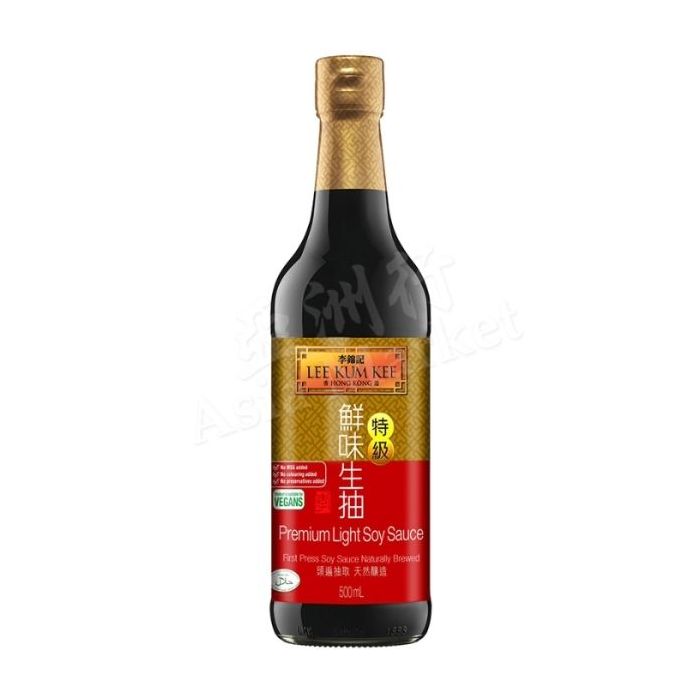
1. Light Soy Sauce
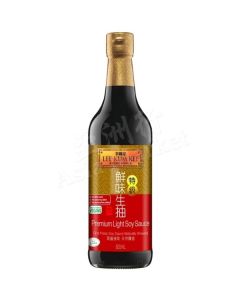
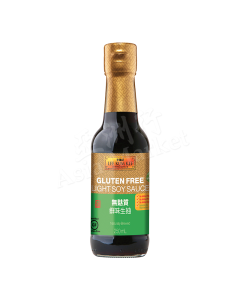
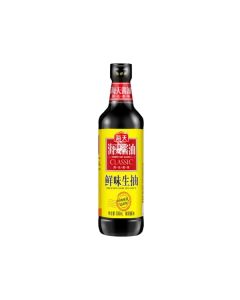
Light soy sauce (sometimes just labelled "soy sauce") is the backbone seasoning of Chinese cooking, adding salt and umami to almost everything from stir-fries to dipping sauces. It's thinner and saltier than its darker cousin, and it's typically added during cooking rather than at the table.
Buying tip: Look for a naturally brewed soy sauce rather than a chemically hydrolysed one — check the label for a short ingredient list without corn syrup or added colouring. Kikkoman and Lee Kum Kee are two of the most trusted names, and both are easy to find.
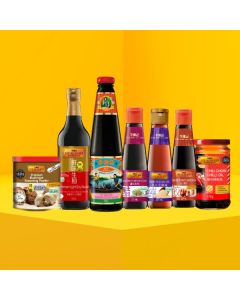
Shop the full range: Soy Sauce at Asia Market
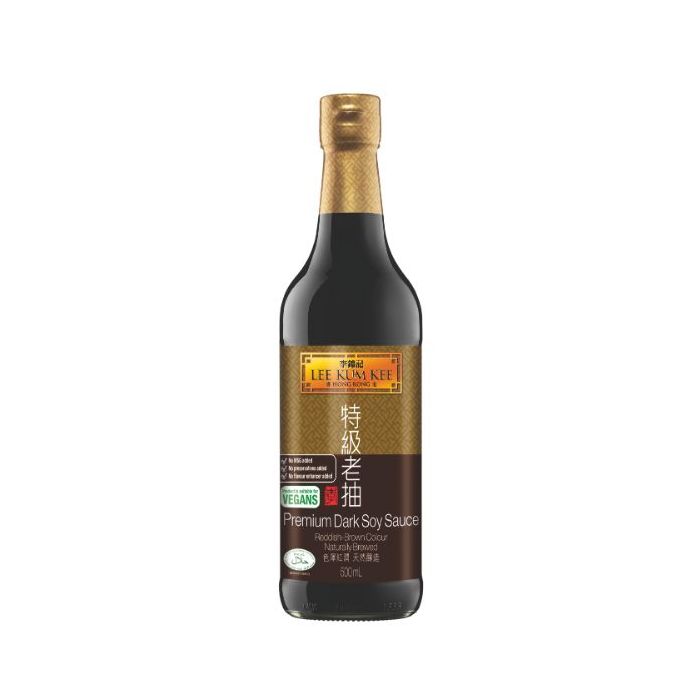
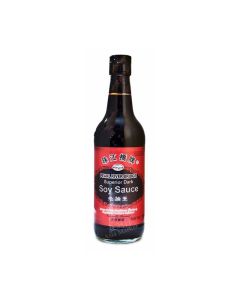
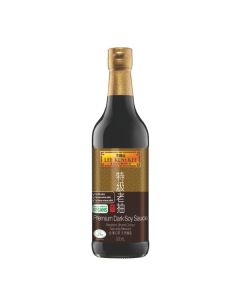
2. Dark Soy Sauce
Dark soy sauce is aged longer and often blended with molasses or caramel, giving it a deeper colour, a slightly sweeter edge, and a thicker consistency than light soy sauce. Chinese cooks use it mainly for colour — it's what gives braised dishes, soy sauce noodles, and soy sauce chicken their signature mahogany sheen — rather than as the main salt source.
Buying tip: Keep both light and dark soy sauce in your pantry rather than treating one as a substitute for the other; they serve different jobs in the same recipe.
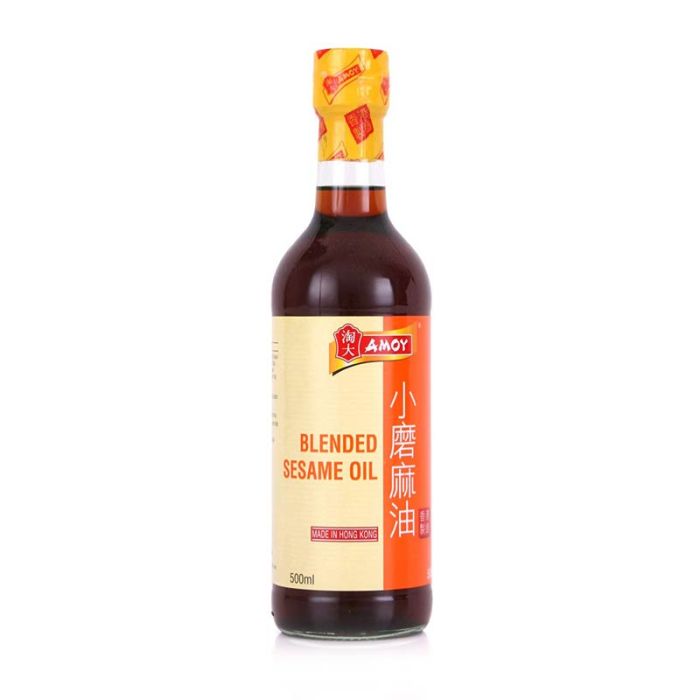
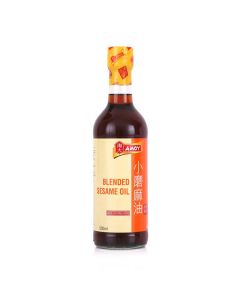
3. Toasted Sesame Oil
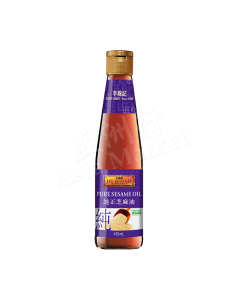
Toasted sesame oil delivers that instantly recognisable nutty, roasted aroma found in stir-fries, noodle salads, and dumpling dipping sauces. It's almost never used as a cooking oil on its own — instead, a small drizzle is added at the very end of cooking to finish a dish.
Buying tip: Make sure the bottle is dark amber in colour. A pale yellow, clear oil hasn't been toasted and will taste flat by comparison. Use it sparingly, since a heavy hand can easily overpower a dish.

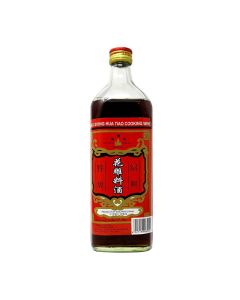
4. Shaoxing Wine
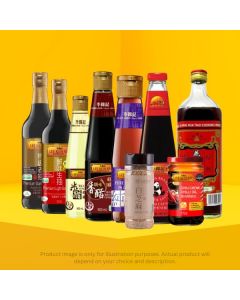
Shaoxing wine is a fermented rice wine from eastern China, used in marinades, stir-fries, and braises to add aromatic depth and help "wake up" other flavours in a dish. It's the ingredient most often left out by beginners simply because it can be harder to track down locally — but it makes a noticeable difference once you start using it.
Buying tip: If a recipe calls for a splash in a marinade or a quick stir-fry, a small bottle goes a long way. Dry sherry is the closest substitute if you're genuinely stuck, but the real thing is well worth sourcing.
Shop the range: Cooking Wine at Asia Market
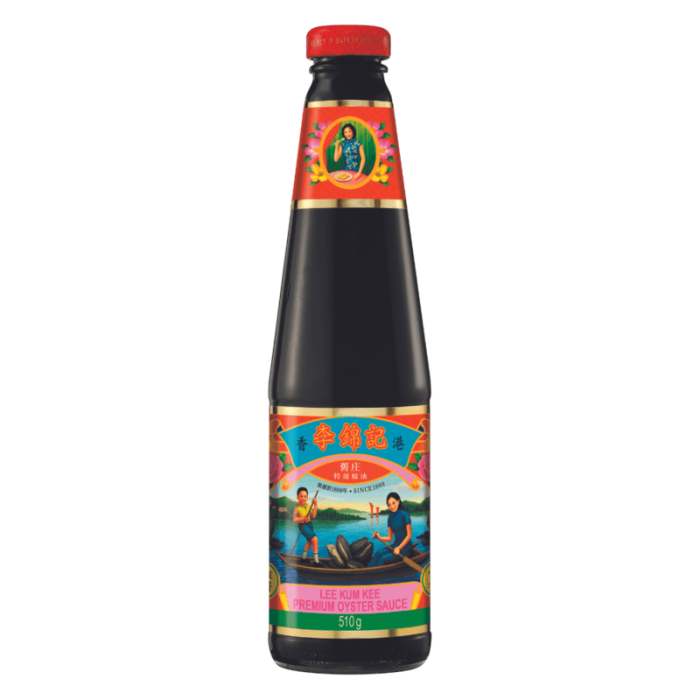
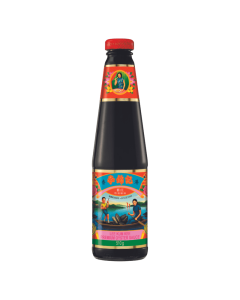
5. Oyster Sauce
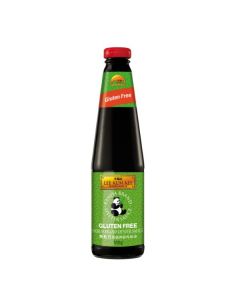
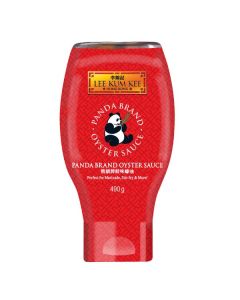
Oyster sauce is a thick, savoury-sweet sauce made from oyster extracts (or mushrooms, in the vegetarian version) that adds instant umami depth to almost any stir-fry or braised dish. Many Cantonese home cooks treat it as a near-universal flavour booster — a spoonful stirred through vegetables or meat at the end of cooking rounds out the dish immediately.
Buying tip: Good oyster sauce costs a little more than the bargain-bin versions, but the flavour difference is significant, so it's worth choosing a reputable brand. A mushroom-based vegetarian oyster sauce is widely available if you're cooking meat-free.

6. Cornstarch (Corn Flour)
Cornstarch is the everyday thickener of Chinese cooking, used to build silky sauces, velvet meat before stir-frying, and create the light, crisp coating on fried dishes. Mixed with cold water into a "slurry" and stirred into a hot sauce at the last minute, it thickens soups and glazes in seconds without any lumps, as long as it's whisked fresh each time.
Buying tip: Tapioca starch or potato starch can stand in if you're out of cornstarch, but cornstarch is the most widely available and the easiest to work with for beginners.
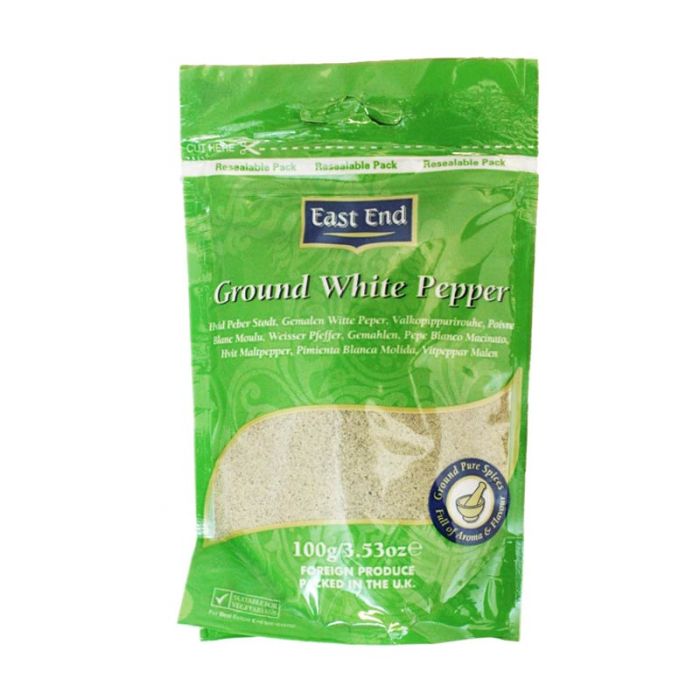
7. Ground White Pepper
Ground white pepper, rather than black pepper, is the default pepper of Chinese kitchens. It has a sharper, more penetrating heat that lingers at the back of the throat — the same warming kick you'll notice in a bowl of hot and sour soup or a plate of salt and pepper prawns.
Buying tip: Pre-ground white pepper works fine for most home cooking; freshly ground is more fragrant if you want to go the extra step.
The Aromatic Trio: Garlic, Ginger & Scallions
Alongside the sauces and seasonings above, three fresh aromatics form what's often called the backbone of Chinese flavour. They're rarely all used at once in equal amounts, but at least one usually appears in any given dish.
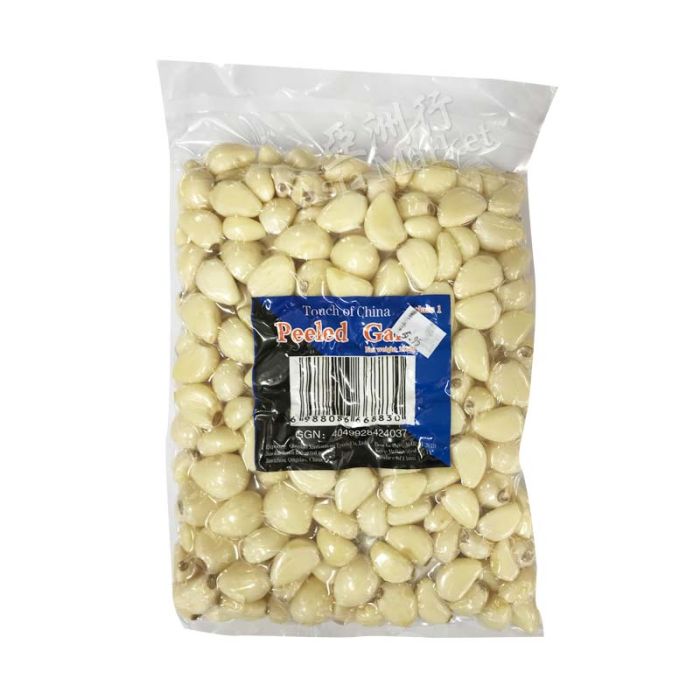
8. Garlic
Garlic is fried briefly at high heat at the start of a stir-fry to build a fragrant base flavour. Because it burns quickly and turns bitter, it's typically added just before other ingredients hit the wok, not left to sit in cold oil.
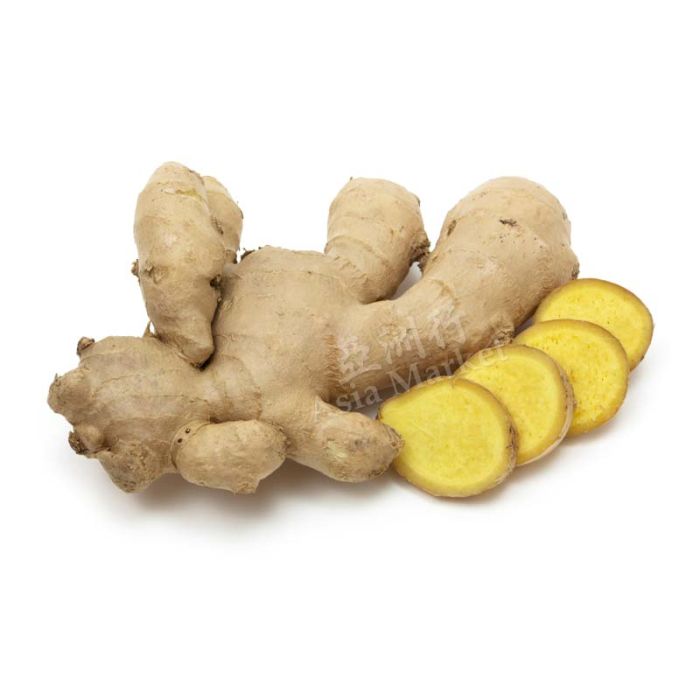
9. Ginger
Fresh ginger brings a warm, slightly spicy fragrance to seafood, poultry, and soups in particular. Sliced and gently caramelised in oil, it infuses a dish with flavour that carries all the way through to the final plate.

10. Scallions (Spring Onions)
Scallions turn up in nearly every category of Chinese dish, from dipping sauces and garnishes to the filling for scallion pancakes. They're mild enough raw to use as a finishing touch, but also hold their own cooked into a sauce or oil.
Building Your Chinese Pantry, One Shelf at a Time
With these ten ingredients on hand, you're equipped to tackle stir-fries, braises, noodle dishes, soups, and more without hunting down anything unusual. As your confidence grows, you can start adding speciality items — chilli bean paste, Sichuan peppercorns, black vinegar, fermented black beans — to unlock more regional dishes.
Asia Market has stocked authentic Chinese and wider Asian ingredients in Ireland since 1981, with same/next-day Dublin delivery and free shipping over €70. Browse the full Chinese pantry essentials range to stock up on everything covered in this guide.
Looking for recipe inspiration to put your new pantry to work? Check out our recipes page for stir-fry, noodle, and braise ideas using these exact ingredients.
Validate your login
Login
Create New Account