

What is Gochujang? The Complete Beginner's Guide to Korean Red Pepper Paste
If you've ever ordered Korean fried chicken, bibimbap or tteokbokki and wondered where that deep savoury heat comes from, chances are you've already tasted gochujang.
At Asia Market, gochujang is one of those ingredients we find ourselves recommending almost daily. Someone buys a tub for one recipe and comes back a few weeks later wondering how they ever cooked without it.
So what exactly is it, what does it taste like, and how do you use it?
Let's break it down.
What Is Gochujang?
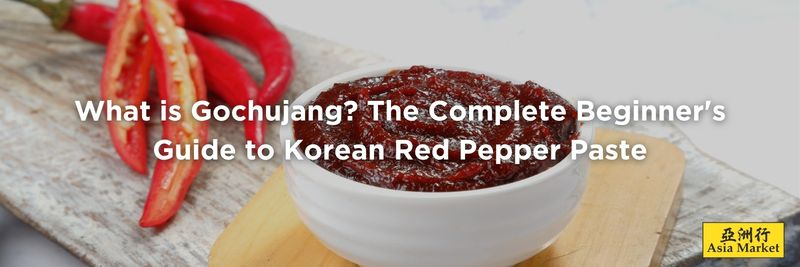
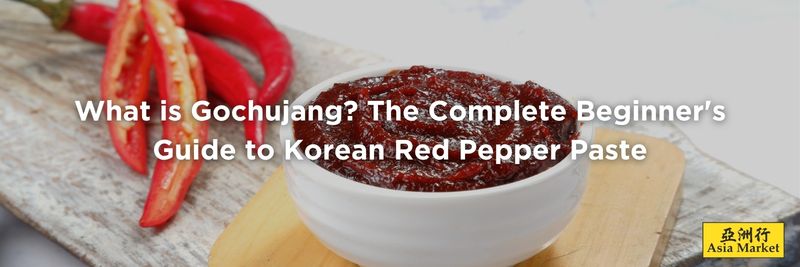
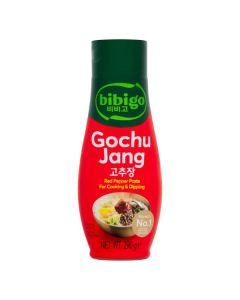
Gochujang is a traditional Korean red pepper paste made from Korean chilli flakes, fermented soybeans, glutinous rice and salt.
Unlike hot sauces that are mainly spicy, gochujang brings several flavours together in one spoonful:
-
Sweet
-
Savoury
-
Salty
-
Slightly smoky
-
Mildly tangy from fermentation
-
Rich umami depth
This balance is what makes it so special in Korean cooking.
Think of it as the Korean equivalent of tomato paste mixed with chilli paste and miso, but with a flavour profile completely its own.
What Is Gochujang Made Of?
Traditional gochujang contains just a handful of ingredients:
-
Fermented soybean powder
-
Salt
-
Fermented rice syrup
The mixture is traditionally fermented for months, sometimes even years, allowing the flavours to deepen and develop naturally.
Modern brands speed up the process slightly, but the principle remains the same. Fermentation creates the rich savoury flavour that makes gochujang so addictive.
What Does Gochujang Taste Like?
This is probably the question we get asked most in store.
Gochujang isn't simply spicy.
The first thing you notice is actually a gentle sweetness, followed by a savoury fermented flavour, before the chilli heat slowly builds in the background.
Compared to other chilli sauces:
| Sauce | Sweetness | Heat | Umami |
|---|---|---|---|
| Sriracha | Medium | Medium | Low |
| Sambal Oelek | Low | High | Low |
| Gochujang | Medium-High | Medium | Very High |
The result is a sauce that adds depth rather than simply adding heat.
Is Gochujang Hot?
Yes, but probably not as spicy as you're expecting.
Most gochujang sits somewhere around a medium heat level. It's usually milder than many hot sauces and significantly less fiery than fresh bird's eye chillies.
Many people who don't enjoy very spicy food are surprised by how approachable gochujang is.
Different brands also vary in spice level, with some available in mild, medium and hot versions.
How Do You Pronounce Gochujang?
It's pronounced:
Go-choo-jang
The "go" sounds like "go" in "go home".
The "choo" sounds like "chew".
The "jang" sounds similar to "jong".
Once you've heard it a few times, it becomes second nature.
What Is Gochujang Used For?
Honestly, this is where the fun starts.
We use gochujang for far more than traditional Korean recipes.
Some of our favourite ways to use it include:
-
Bibimbap sauce
-
Korean fried chicken glaze
-
Marinades for chicken and pork
-
Ramen broth
-
Noodle dishes
-
Fried rice
-
Burgers and sandwiches
-
Mayo for chips and wings
One spoonful can completely transform a simple weeknight dinner.
How Much Gochujang Should You Use?
A little goes a long way.
As a rough guide:
-
Ramen: 1 teaspoon to 1 tablespoon
-
Stir fry for two people: 1 tablespoon
-
Bibimbap sauce: 1 to 2 tablespoons
-
Tteokbokki: 2 to 3 tablespoons
-
Marinades: 1 to 2 tablespoons per 500g of meat
If you're new to gochujang, start small and add more as you cook.
Is Gochujang Healthy?
Gochujang contains fermented ingredients and is generally lower in fat than many creamy sauces or marinades.
Like soy sauce and miso, it does contain salt, so it's best enjoyed as part of a balanced diet.
Most people use relatively small amounts, making it an easy way to add lots of flavour without needing lots of ingredients.
Which Gochujang Is Best?
There isn't one single answer.
Some people prefer sweeter gochujang while others like a deeper fermented flavour or more heat.
The good news is that most Korean households stick with a handful of trusted brands that consistently deliver great flavour.
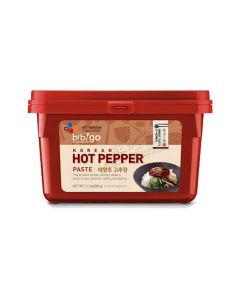
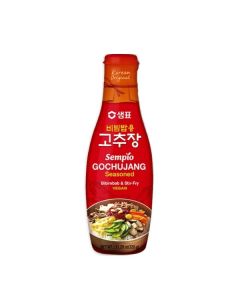
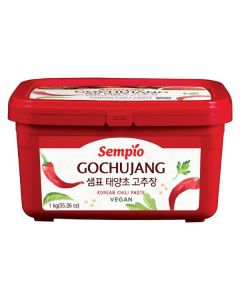
If you're just getting started, browse our full range of Korean red pepper paste here.
You'll find mild and spicy options suitable for everything from bibimbap to Korean BBQ.
Where Can You Buy Gochujang?
Gochujang used to be difficult to find in Ireland, but thankfully, that's changed over the last few years.
You can now buy authentic Korean red pepper paste online from Asia Market with nationwide delivery across Ireland or in our stores in Dublin 2 and Dublin 12.
Final Thoughts
If we had to choose one Korean pantry ingredient that gives the biggest flavour return for the least amount of effort, gochujang would be very close to the top of the list.
It's sweet, savoury, spicy and packed with umami all at once.
Whether you're making authentic Korean dishes or simply adding a spoonful to a stir-fry or bowl of noodles, gochujang is one of those ingredients that quickly earns a permanent spot in the fridge.
Once you start cooking with it, you'll find yourself reaching for it again and again.
What is gochujang made of?
Gochujang is made from Korean chilli flakes, fermented soybeans, glutinous rice and salt.
What does gochujang taste like?
It tastes sweet, savoury, spicy and slightly tangy with lots of umami depth.
Is gochujang hot?
Most gochujang is considered medium heat and is milder than many hot sauces.
How long does gochujang last?
Unopened gochujang can last for well over a year. Once opened, it should be stored in the fridge and usually stays fresh for many months.
Do you refrigerate gochujang after opening?
Yes. Once opened, gochujang should be stored in the refrigerator.
Can I use gochujang in ramen?
Absolutely. Adding one teaspoon to one tablespoon of gochujang to ramen broth adds richness, spice and depth of flavour.
Can I use gochujang instead of sriracha?
Not directly. Gochujang is thicker, sweeter and much more savoury than sriracha.
Is gochujang gluten-free?
Some brands are gluten-free while others contain wheat. Always check the packaging if you have dietary requirements.
Is gochujang vegan?
Many gochujang products are vegan, but ingredients can vary between brands.
What dishes use gochujang?
Popular dishes include bibimbap, tteokbokki, kimchi jjigae, Korean fried chicken, bulgogi and spicy ramen.





Validate your login
Login
Create New Account