

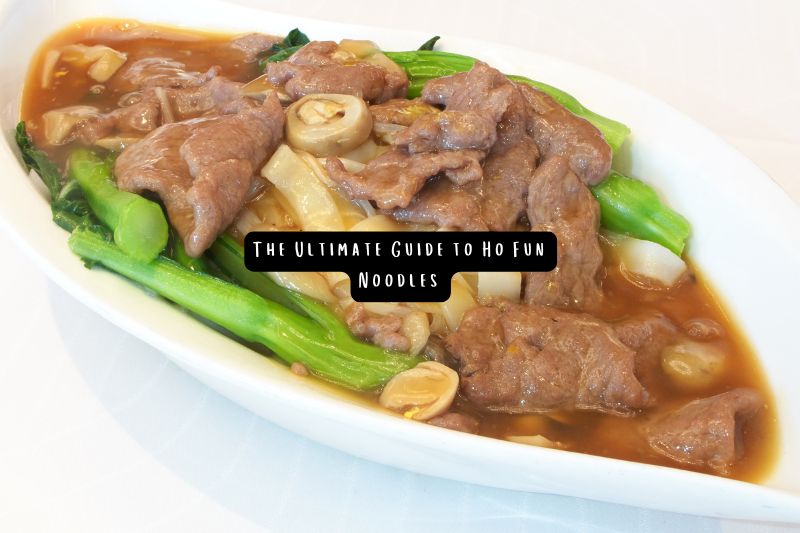
Ho fun noodles represent the pinnacle of Cantonese noodle artistry – wide, silky ribbons that gracefully capture sauces and embrace ingredients with their tender embrace. These ethereal rice noodles have captivated food lovers worldwide, transforming simple stir-fries into restaurant-quality masterpieces. Whether you're encountering ho fun for the first time or looking to perfect your technique, this comprehensive guide will unlock the secrets of these remarkable noodles.
What Are Ho Fun Noodles?
Ho fun (河粉), also known as shahe fen, are fresh, wide rice noodles that originated in the Shahe district of Guangzhou, China. These translucent, ivory-colored noodles are made from rice flour and water, creating sheets that are cut into strips ranging from half an inch to several inches wide. Unlike dried rice noodles, fresh ho fun has a uniquely soft, slippery texture that's both delicate and satisfying.
The name "ho fun" literally translates to "river noodle," perhaps referring to their flowing, ribbon-like appearance or their smooth, water-like texture. In Cantonese cuisine, they're prized for their ability to absorb flavors while maintaining their distinctive silky mouthfeel.
The Unique Characteristics of Ho Fun
Texture: Fresh ho fun noodles have an incomparable silky, slightly chewy texture that's tender yet substantial. They're slippery in the best possible way, allowing sauces to coat them beautifully while providing a satisfying bite.
Appearance: These wide, flat noodles are typically white to off-white in color with a slightly translucent quality. Quality ho fun should look smooth and have a subtle sheen.
Flavour: Ho fun noodles have a mild, slightly sweet rice flavor that serves as the perfect canvas for bold sauces and aromatics. They don't compete with other ingredients but rather enhance and carry flavors throughout the dish.
Versatility: From stir-fries to soups, ho fun adapts to various cooking methods while maintaining its signature texture and appeal.
Fresh vs. Dried Ho Fun: Understanding the Difference
Fresh Ho Fun: Available in the refrigerated section of Asian markets, fresh ho fun comes either as whole sheets that you cut yourself or pre-cut strips. Fresh noodles offer the authentic texture and are preferred for traditional dishes. They're highly perishable and should be used within a few days of purchase.
Dried Ho Fun: More shelf-stable and widely available, dried ho fun requires soaking in hot water before use. While convenient, dried versions never quite achieve the silky texture of fresh noodles but still provide good results when fresh isn't available.
Semi-Fresh Ho Fun: Some markets carry vacuum-packed ho fun that offers a middle ground between fresh and dried, with better texture than dried but longer shelf life than fresh.
Essential Cooking Techniques for Ho Fun
Preparing Fresh Ho Fun
Fresh ho fun often comes folded or stacked with a light coating of oil to prevent sticking. Before cooking, gently separate the noodles and rinse briefly with warm water if they seem stiff from refrigeration. Never soak fresh ho fun – they're ready to cook immediately.
The Art of Stir-Frying Ho Fun
Stir-frying ho fun requires high heat and quick movements. The key is to heat your wok until it's smoking, add oil, then quickly toss the noodles to prevent sticking. The noodles should be heated through but not overcooked, which would make them mushy.
Avoiding Common Mistakes
-
Never oversoak or overcook ho fun, as they become mushy
-
Use high heat for stir-frying to achieve the coveted "wok hei" (breath of the wok)
-
Handle gently to prevent breaking the delicate noodles
-
Add soy sauce gradually to prevent the noodles from becoming too dark
Classic Ho Fun Dishes You Must Try
Beef Chow Ho Fun (牛河)
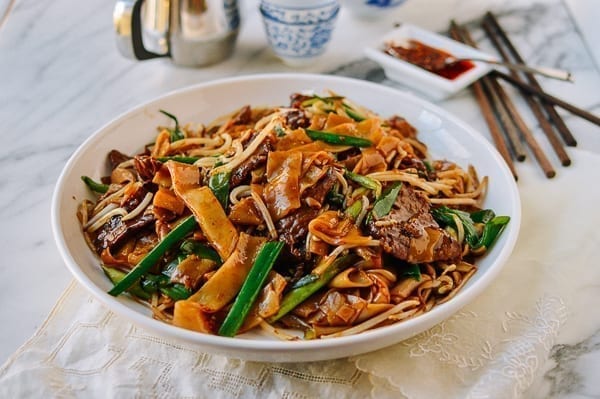
The most iconic ho fun dish features tender beef, bean sprouts, and scallions stir-fried with dark and light soy sauces. The key is achieving the perfect balance of smokiness from high-heat cooking and the silky texture of properly prepared noodles.
Chicken Ho Fun
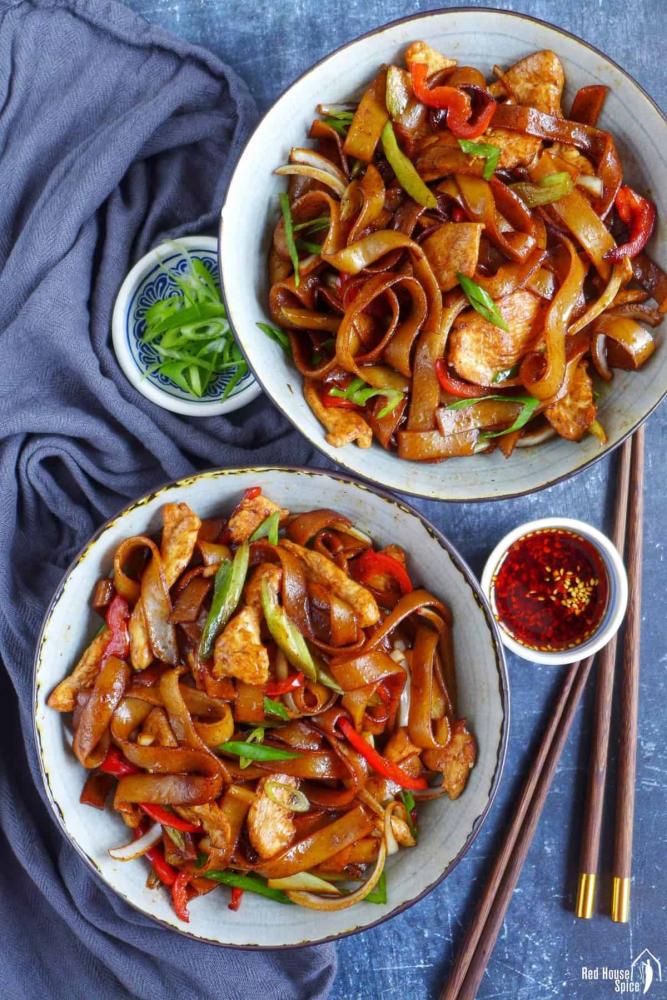
Similar to beef chow ho fun but featuring marinated chicken pieces. The lighter protein allows the noodles' texture and the aromatics to shine through while providing satisfying substance.
Seafood Ho Fun
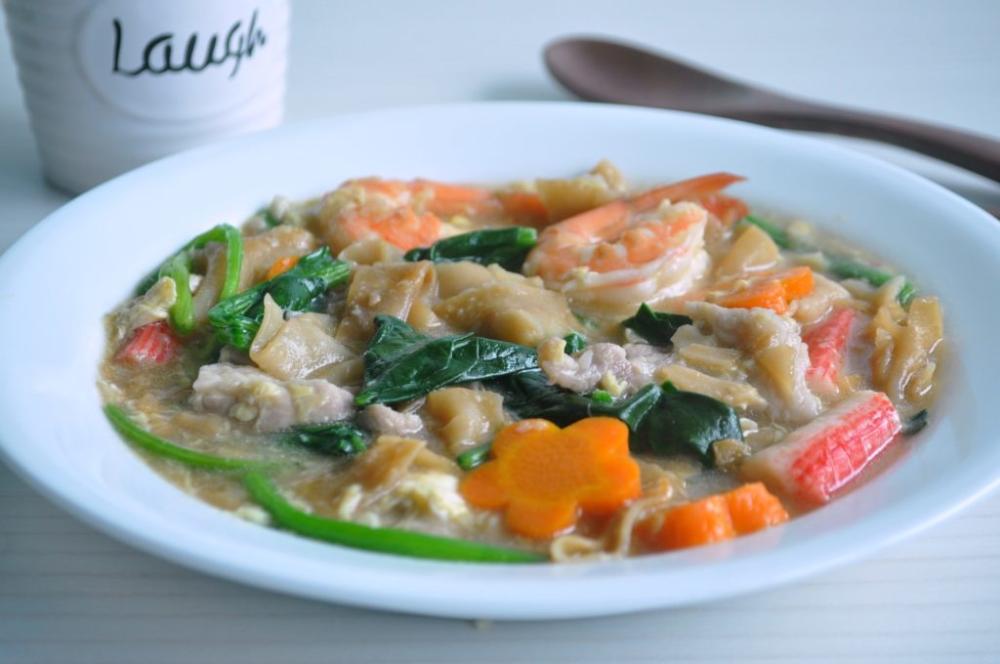
Often featuring shrimp, scallops, or a combination of seafood, this preparation highlights the noodles' ability to absorb the sweet, briny flavors of the ocean while maintaining their signature texture.
Vegetarian Ho Fun
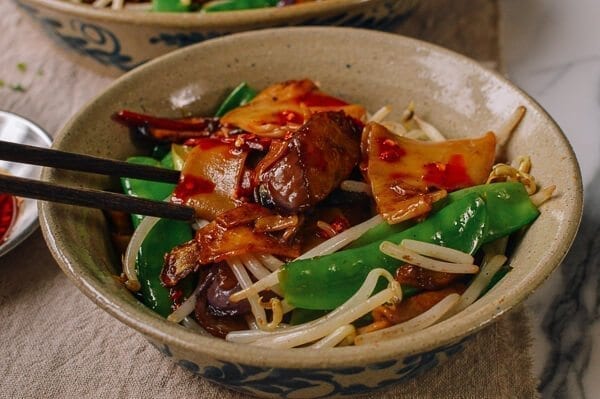
Packed with mushrooms, bok choy, bean sprouts, and other vegetables, vegetarian ho fun proves that these noodles can create satisfying meals without meat. The focus shifts to the interplay of textures and the subtle flavors of the vegetables.
Ho Fun Soup
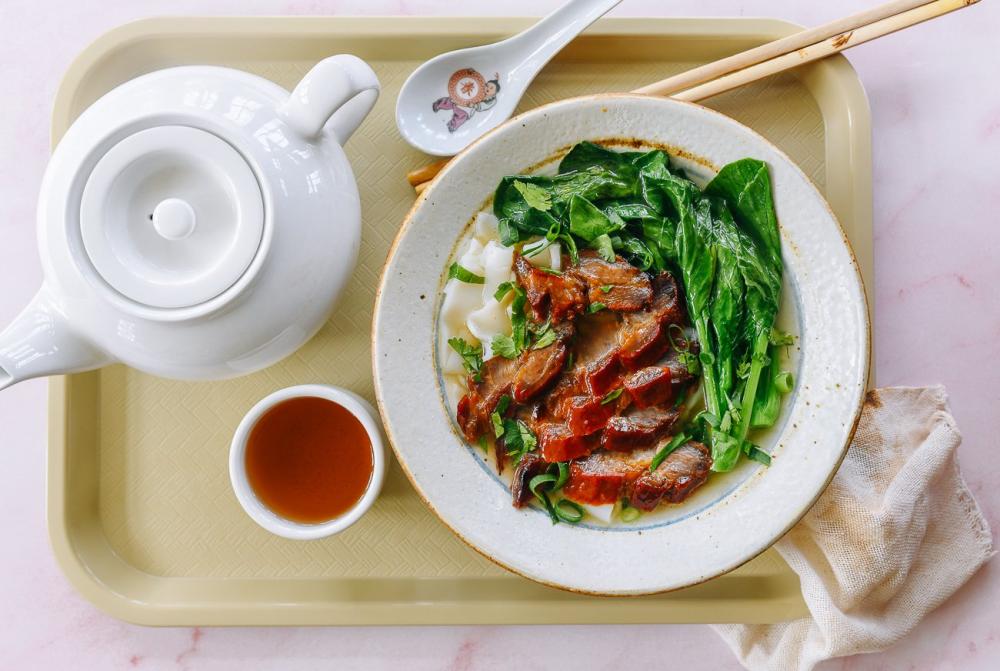
While less common than stir-fried preparations, ho fun works beautifully in clear broths where their silky texture can be fully appreciated. The noodles gently absorb the broth's flavors while maintaining their distinctive mouthfeel.
Regional Variations and Modern Interpretations
Different regions have put their own spin on ho fun preparations. In Hong Kong, the emphasis is often on achieving the perfect "wok hei" – that distinctive smoky flavor from high-heat stir-frying. Mainland Chinese preparations might include more vegetables or different sauce combinations.
Modern chefs have embraced ho fun in fusion dishes, incorporating them into everything from Italian-inspired preparations to contemporary Asian fusion cuisine. The noodles' neutral flavor and appealing texture make them surprisingly adaptable to non-traditional applications.
Shopping for Ho Fun Noodles
When shopping for fresh ho fun, look for noodles that appear white to off-white without any gray or yellowish discoloration. They should feel soft and pliable, not dried out or cracked. Avoid packages with excessive liquid, which might indicate the noodles are breaking down.
Fresh ho fun is typically found in the refrigerated section of Asian grocery stores, often near other fresh noodles and tofu products. Some stores make fresh ho fun daily, so ask about delivery schedules to get the freshest possible noodles.
For dried ho fun, look for packages from reputable manufacturers. The noodles should be uniformly colored and unbroken. Store dried ho fun in a cool, dry place and use within the recommended timeframe.
Nutritional Benefits
Ho fun noodles are naturally gluten-free since they're made from rice flour, making them suitable for those with gluten sensitivities. They provide carbohydrates for energy and are relatively low in fat. While not particularly high in protein or fiber on their own, they serve as an excellent base for nutrient-rich vegetables, proteins, and sauces.
The rice base makes ho fun easily digestible for most people, and they're generally considered a comfort food that's gentle on the stomach.
Storage and Handling Tips
Fresh Ho Fun: Store in the refrigerator and use within 2-3 days of purchase. Keep them in their original packaging until ready to use. If they become slightly stiff from cold, a brief rinse with warm water will restore their flexibility.
Leftover Cooked Ho Fun: Best enjoyed immediately, but leftovers can be stored in the refrigerator for up to 2 days. Reheat gently in a wok with a little oil or in the microwave with a damp paper towel to prevent drying out.
Frozen Ho Fun: Some brands offer frozen ho fun, which should be thawed slowly in the refrigerator before use. Never microwave frozen ho fun directly, as this will create an uneven, mushy texture.
Cooking Equipment Essentials
A well-seasoned wok is ideal for ho fun preparation, as it provides the high heat and large surface area needed for proper stir-frying. However, a large, heavy-bottomed skillet can work in a pinch. The key is having enough space to toss the noodles without crowding.
A wok spatula or large spoon is essential for gently moving the delicate noodles without breaking them. Wooden utensils are often preferred as they're less likely to tear the noodles.
Troubleshooting Common Issues
Mushy Noodles: Usually caused by overcooking or using too much liquid. Cook ho fun briefly and at high heat, adding liquids gradually.
Sticking: Ensure your wok is properly heated and use adequate oil. Don't overcrowd the pan, and keep the noodles moving.
Breaking: Handle gently and avoid aggressive stirring. Use a lifting and folding motion rather than vigorous stirring.
Bland Flavor: Ho fun readily absorbs flavors, so don't be shy with seasonings. Layer flavors by seasoning proteins and vegetables before adding noodles.
The Cultural Significance of Ho Fun
In Cantonese cuisine, ho fun represents the perfect balance of texture and flavor that defines great comfort food. These noodles are often associated with family gatherings and casual dining, representing the approachable elegance of Cantonese cooking.
The dish has become a symbol of Chinese culinary technique, showcasing the importance of proper heat control, timing, and ingredient harmony that characterizes the best Chinese cooking.
Conclusion
Ho fun noodles offer a unique culinary experience that combines simplicity with sophistication. Their silky texture and subtle flavor make them the perfect canvas for creative cooking while honoring traditional Cantonese techniques. Whether you're preparing a classic beef chow ho fun or experimenting with modern interpretations, these remarkable noodles will elevate your cooking and provide countless opportunities for delicious meals.
Mastering ho fun is about understanding the balance between delicate handling and bold flavors, between traditional techniques and personal creativity. Once you experience the satisfaction of perfectly prepared ho fun – silky, flavorful, and aromatic – you'll understand why these noodles have earned their place as one of Chinese cuisine's most beloved ingredients.
The journey to ho fun mastery begins with quality ingredients and respect for traditional techniques, but it flourishes through experimentation and personal expression. Whether served in a humble home kitchen or an upscale restaurant, ho fun noodles have the power to transform any meal into a memorable culinary experience.
Validate your login
Login
Create New Account