


Kimchi stands as one of the world's most complex and beneficial fermented foods, representing thousands of years of Korean culinary wisdom in every tangy, spicy bite. This fermented vegetable dish has evolved from a preservation necessity into a global phenomenon, captivating food lovers with its bold flavors, incredible health benefits, and remarkable versatility. Far more than just a side dish, kimchi has become the foundation of countless recipes and a symbol of Korean culture that continues to inspire chefs and home cooks worldwide.
Understanding Kimchi: The Art of Korean Fermentation
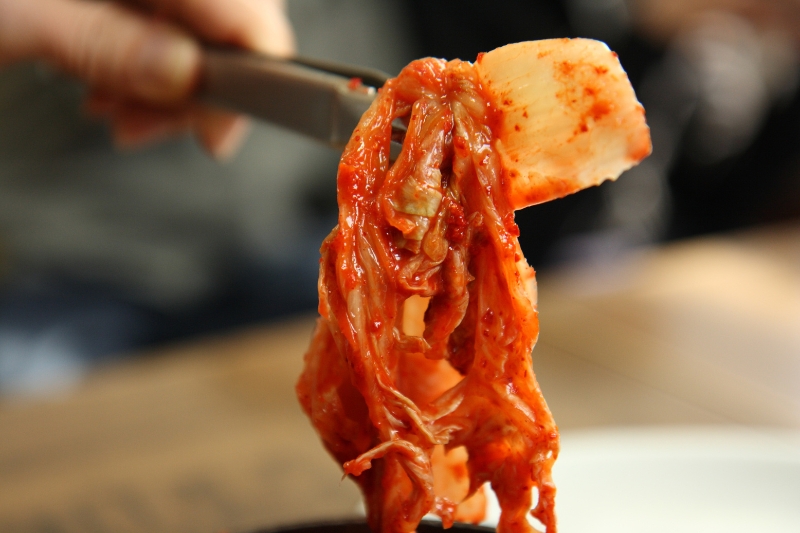
Kimchi is a traditional Korean fermented vegetable dish, most commonly made with napa cabbage, but encompassing hundreds of varieties that reflect Korea's seasonal ingredients and regional preferences. The fermentation process, driven by naturally occurring lactobacilli, creates a complex flavor profile that balances sour, salty, spicy, and umami tastes while developing beneficial probiotics that support digestive health.
The traditional kimchi-making process, called "kimjang," involves salting vegetables to draw out moisture, then coating them with a paste made from gochugaru (Korean red pepper flakes), garlic, ginger, fish sauce or salt, and various aromatics. The mixture is then packed into containers and left to ferment at controlled temperatures, developing its characteristic tangy flavor and crunchy texture.
The Spectrum of Kimchi Varieties
Baechu Kimchi (Napa Cabbage Kimchi)
The most internationally recognized variety, baechu kimchi uses whole napa cabbage leaves that are salted, then stuffed with a spicy paste mixture. This classic preparation offers the perfect balance of crunch, heat, and sourness that defines great kimchi.
Characteristics: Crunchy texture, balanced flavor, versatile applications Fermentation Time: 3-7 days at room temperature, then refrigerated Best Uses: Eating fresh, cooking applications, base for other dishes
Kkakdugi (Cubed Radish Kimchi)
Made with Korean white radish cut into cubes, kkakdugi offers a different texture experience with its crisp, juicy bite. The radish provides natural sweetness that balances the spicy seasonings beautifully.
Characteristics: Crisp, juicy, refreshing, slightly sweet Fermentation Time: 2-5 days at room temperature Best Uses: Side dish, soup ingredient, palate cleanser
Oi Sobagi (Stuffed Cucumber Kimchi)
Small cucumbers are split and stuffed with kimchi paste, creating a refreshing summer variety that's typically eaten fresh rather than aged. This preparation showcases kimchi's adaptability to different vegetables.
Characteristics: Fresh, crunchy, cooling, quickly fermented Fermentation Time: 1-3 days at room temperature Best Uses: Fresh consumption, hot weather side dish
Nabak Kimchi (Water Kimchi)
This unique variety features vegetables fermented in a light, refreshing brine rather than the typical thick paste. The resulting liquid is as prized as the vegetables, often consumed as a cooling drink.
Characteristics: Light, refreshing, subtle flavor, liquid component Fermentation Time: 2-4 days at room temperature Best Uses: Refreshing drink, light side dish, hot weather option
Dongchimi (White Radish Water Kimchi)
A winter specialty featuring whole small radishes fermented in a clear brine with aromatics. This variety develops a clean, refreshing taste that's particularly valued during cold months.
Characteristics: Clean taste, refreshing brine, winter comfort food Fermentation Time: 1-2 weeks in cold conditions Best Uses: Winter side dish, digestive aid, clear soup base
Yeolmu Kimchi (Young Radish Kimchi)
Made from young radish greens and roots, this spring kimchi offers tender textures and fresh, green flavors that celebrate the season's first harvest.
Characteristics: Tender, fresh, green flavors, seasonal specialty Fermentation Time: 2-4 days at room temperature Best Uses: Spring side dish, soup ingredient, seasonal celebration
Essential Recipes with Kimchi
1. Kimchi Jjigae - Korea's Ultimate Comfort Stew
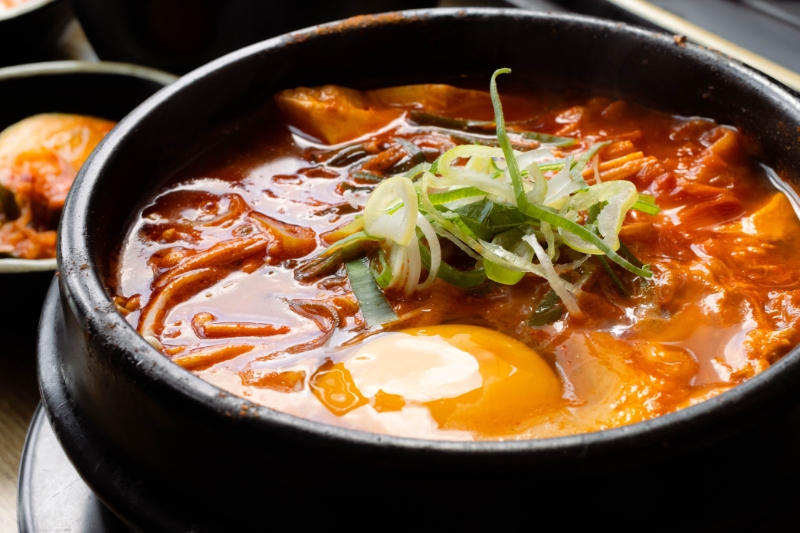
This iconic stew transforms aged, sour kimchi into a deeply satisfying meal. The fermented vegetables provide both base and flavor, while pork or tofu adds protein. The longer the kimchi has aged, the more complex and delicious this stew becomes.
2. Kimchi Fried Rice - Transform Leftovers into Magic
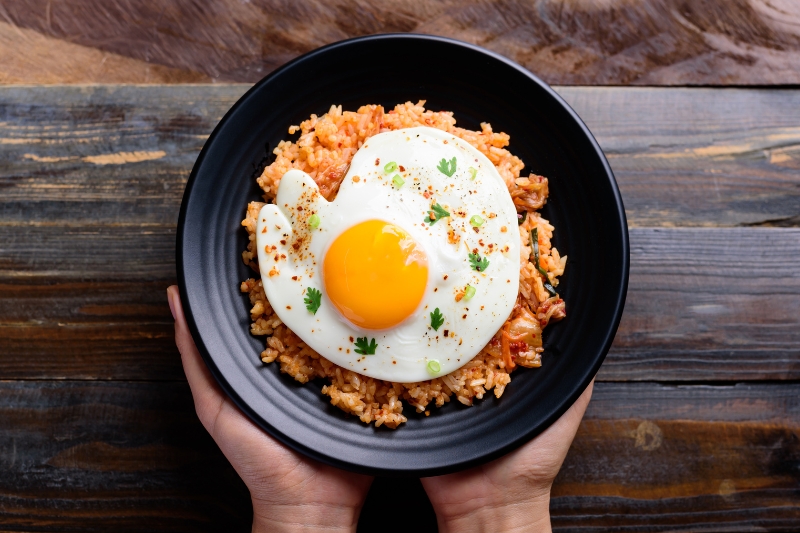
Day-old rice is stir-fried with chopped kimchi, creating one of Korea's most beloved comfort foods. The kimchi's acidity cuts through the rice's richness while adding probiotics and complex flavors to this satisfying one-dish meal.
3. Kimchi Pancakes (Kimchijeon) - Crispy Fermented Goodness
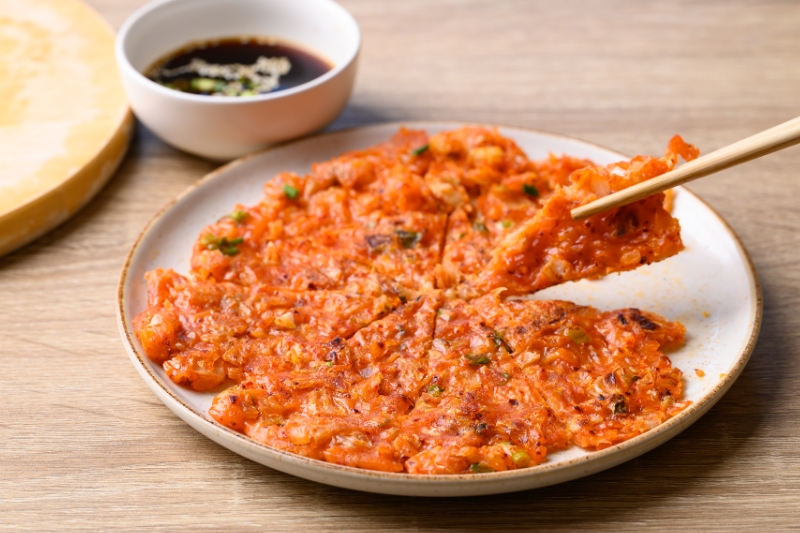
These savory pancakes incorporate chopped kimchi into a simple batter, creating crispy exterior and tender interior filled with tangy, spicy flavors. They're perfect as appetizers, snacks, or light meals.
4. Kimchi Grilled Cheese - Fusion Comfort Food

This Korean-American fusion classic combines melted cheese with tangy kimchi between buttered bread, creating a sandwich that's both familiar and excitingly different. The kimchi's acidity balances the rich cheese perfectly.
5. Budae Jjigae - Army Base Stew Heritage
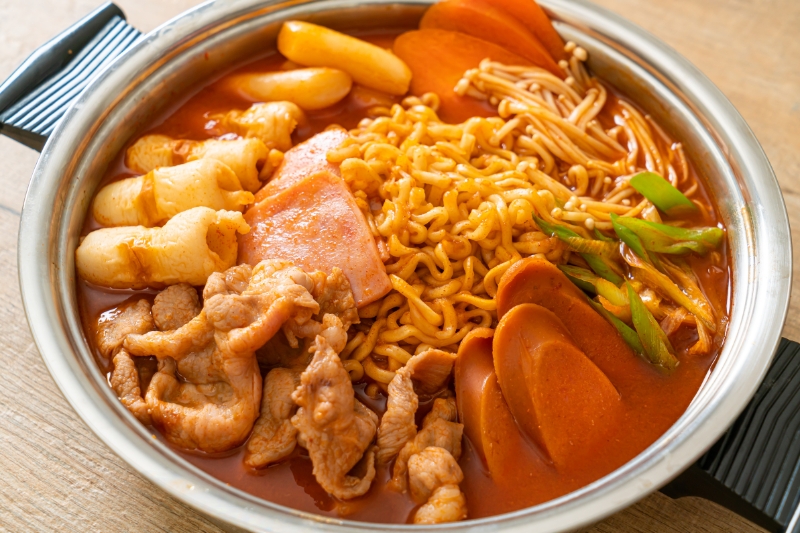
Born from necessity during the Korean War, this hearty stew combines kimchi with processed meats, ramen noodles, and other accessible ingredients. It represents resilience and creativity in Korean cuisine.
6. Kimchi Dumplings (Mandu) - Fermented Filling Perfection
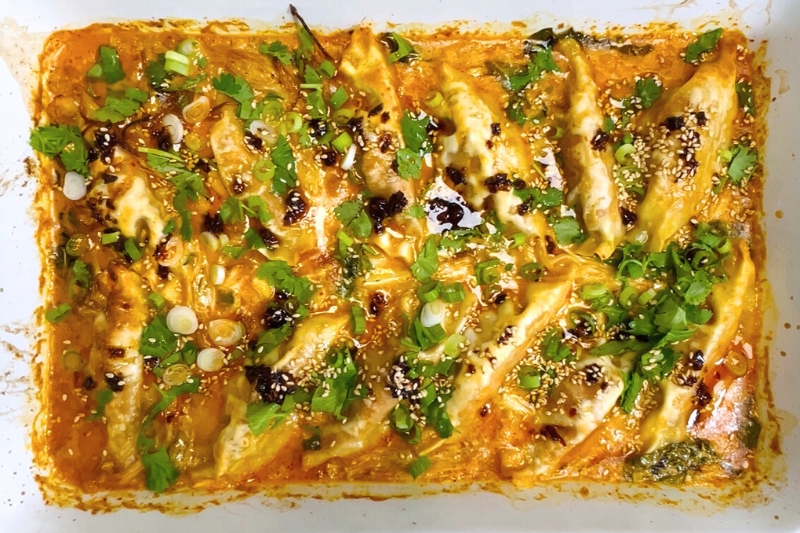
Chopped kimchi mixed with pork or vegetables creates flavorful dumpling fillings that showcase fermented vegetables' ability to enhance other ingredients. The kimchi provides moisture, flavor, and beneficial bacteria.
7. Kimchi Ramen - Instant Noodle Upgrade
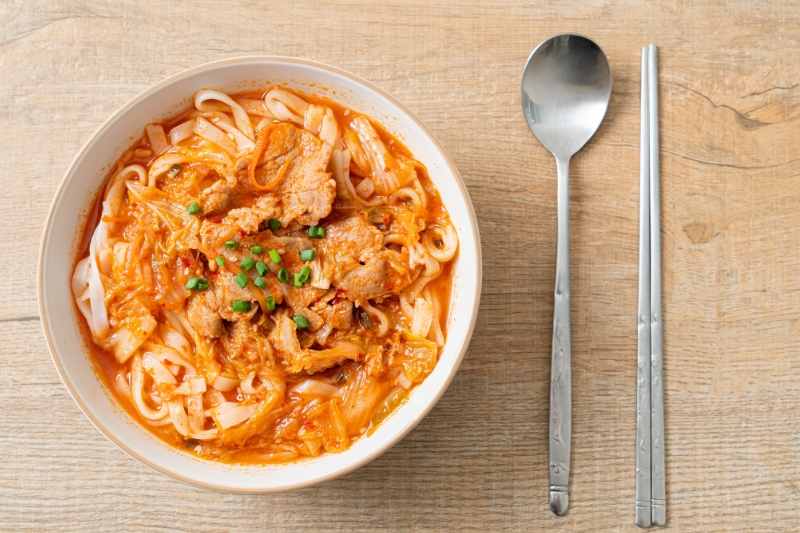
Adding kimchi to instant ramen transforms simple noodles into a complex, satisfying meal. The fermented vegetables provide probiotics, vitamins, and bold flavors that elevate humble ingredients.
8. Pork Kimchi - Classic Korean BBQ Combination
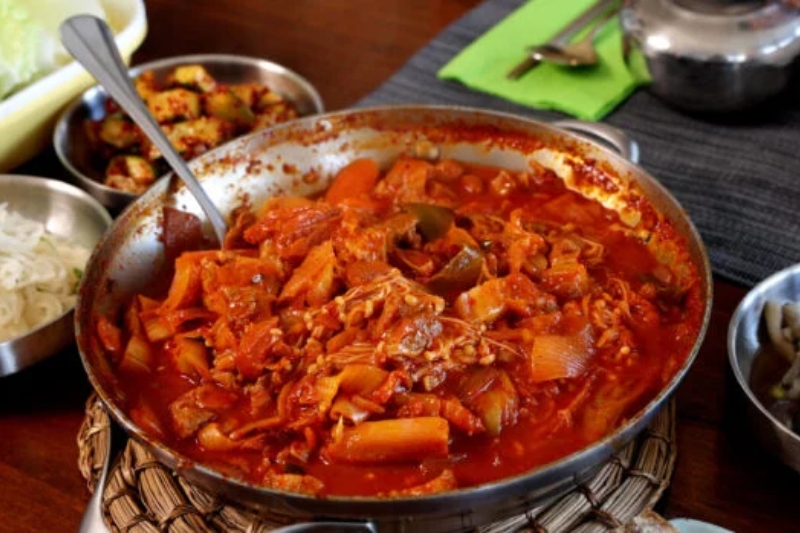
This stir-fried dish combines pork belly with aged kimchi, creating a perfect balance of rich meat and tangy vegetables. The kimchi's acidity helps cut through the pork's richness while adding complex flavors.
9. Kimchi Quesadillas - Mexican-Korean Fusion

Melted cheese and kimchi create an unlikely but delicious combination that bridges Korean and Mexican flavors. The tortilla provides a neutral canvas for the bold, fermented flavors.
10. Kimchi Salad - Fermented Twist on Classic
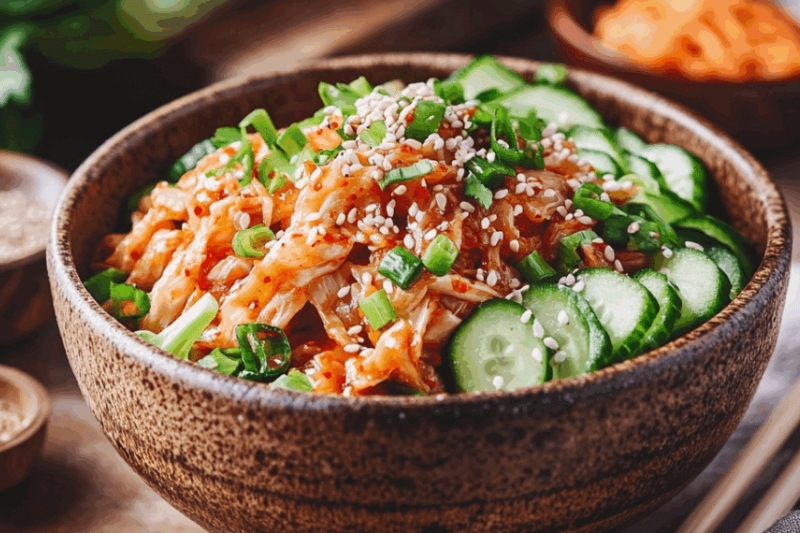
Using kimchi brine in the dressing and adding chopped kimchi as a garnish transforms the classic Caesar salad, providing probiotics and Korean flavors to this familiar dish.
The Science of Kimchi Fermentation
Kimchi's fermentation is a complex biological process involving multiple strains of beneficial bacteria, primarily lactobacilli. These microorganisms convert sugars in the vegetables into lactic acid, creating the characteristic sour taste while preserving the vegetables and developing beneficial compounds.
The fermentation process occurs in stages: initial bacterial colonization, active fermentation with rapid acid production, and finally, a slower maturation phase where complex flavors develop. Temperature control is crucial – warmer temperatures speed fermentation but can lead to over-softening, while cooler temperatures slow the process and maintain better texture.
Health Benefits of Kimchi
Kimchi is increasingly recognized as a superfood due to its impressive nutritional profile and probiotic content. Regular consumption may support digestive health, immune function, and overall well-being.
Key Health Benefits:
-
Rich in beneficial probiotics that support gut health
-
High in vitamins C and K, supporting immune function and bone health
-
Contains antioxidants that may help reduce inflammation
-
Low in calories while providing fiber and essential nutrients
-
May support weight management and metabolic health
-
Provides capsaicin from peppers, which may boost metabolism
Nutritional Highlights:
-
High fiber content supports digestive health
-
Significant vitamin C content (often higher than fresh cabbage due to fermentation)
-
Rich in folate, important for cellular function
-
Contains beneficial compounds like beta-carotene and flavonoids
Making vs. Buying Kimchi
Store-Bought Advantages
Commercial kimchi offers consistency, convenience, and safety for those new to fermented foods. Quality brands provide authentic flavors and beneficial bacteria without the time investment of homemade versions.
Homemade Benefits
Making kimchi at home allows complete control over ingredients, salt levels, and fermentation time. It's also significantly more economical and can be customized to personal taste preferences.
Quality Indicators
Whether buying or making, good kimchi should have a balance of sour, salty, and spicy flavors with a crisp texture. The vegetables should remain crunchy, not mushy, and the overall flavor should be complex rather than one-dimensional.
Storage and Handling
Proper Storage
Kimchi should be refrigerated and kept in airtight containers to control fermentation. Use clean utensils when serving to avoid contamination and maintain quality.
Fermentation Control
Kimchi continues fermenting even when refrigerated, though at a slower pace. Taste regularly and consume at your preferred level of sourness. Over-fermented kimchi works excellently in cooked applications.
Container Considerations
Glass or food-grade plastic containers work best for kimchi storage. Avoid metal containers, which can react with the acidic kimchi and affect flavour.
Cooking Techniques with Kimchi
Using Fresh vs. Aged Kimchi
Fresh kimchi works well as a side dish or in raw preparations, while aged, sour kimchi excels in cooked dishes where its developed flavors can shine. The sourness of aged kimchi adds complexity to stews and stir-fries.
Balancing Flavours
Kimchi's intensity can be balanced with mild ingredients like rice, noodles, or dairy products. The acidity pairs well with rich, fatty foods, creating harmonious flavor combinations.
Heat Considerations
Cooking kimchi mellows its sharpness while concentrating flavors. Brief cooking preserves some crunch and probiotic benefits, while longer cooking creates deeper, more integrated flavors.
Cultural Significance and Traditions
Kimchi holds profound cultural significance in Korea, representing national identity, seasonal cycles, and family traditions. The autumn kimjang season brings families together to prepare winter kimchi supplies, maintaining cultural connections across generations.
Different regions of Korea have developed unique kimchi variations reflecting local ingredients and preferences, creating a rich tapestry of flavors and techniques that continue to evolve while honoring traditional methods.
Troubleshooting Kimchi Issues
Too Salty Solutions
If kimchi is too salty, rinse briefly before using in recipes or balance with mild ingredients like rice or dairy products.
Insufficient Fermentation
Kimchi that hasn't developed enough sourness may need more time at room temperature or warmer conditions to encourage fermentation.
Over-Fermentation
Overly sour kimchi works excellently in cooked dishes where the strong flavors can be balanced with other ingredients.
Texture Problems
Mushy kimchi usually results from over-salting initially or excessive heat during fermentation. While texture may be compromised, flavor often remains good for cooking applications.
Conclusion
Kimchi represents far more than a simple fermented vegetable dish – it's a gateway to Korean culture, a powerful superfood, and an incredibly versatile ingredient that can transform everyday meals into exciting culinary adventures. Understanding kimchi's varieties, proper handling, and diverse applications opens up countless opportunities for healthier, more flavorful cooking.
Whether you're enjoying traditional baechu kimchi as a side dish, incorporating aged kimchi into hearty stews, or experimenting with modern fusion applications, this remarkable fermented food offers benefits that extend far beyond taste. The combination of bold flavors, beneficial probiotics, and cultural significance makes kimchi an invaluable addition to any kitchen.
The journey to mastering kimchi begins with understanding its fermentation process and respecting traditional methods, but flourishes through experimentation and appreciation for its remarkable versatility. As global interest in fermented foods continues to grow, kimchi stands ready to introduce new generations to the profound satisfaction that comes from foods that are both delicious and beneficial to health.
From the humblest kimchi fried rice to the most elaborate fusion creations, this fermented superfood demonstrates that the best ingredients are often those that have been perfected over generations, carrying within them not just flavor, but the wisdom of cultures that understood the deep connections between food, health, and community.
Validate your login
Login
Create New Account