

In the realm of tropical ingredients, few items can transform your cooking quite like coconut milk and coconut cream. These versatile, creamy liquids have been the backbone of countless cuisines across Southeast Asia, the Caribbean, South America, and beyond for centuries. From rich curries that warm the soul to delicate desserts that transport you to tropical paradises, coconut milk and cream offer unparalleled richness, subtle sweetness, and incredible versatility that can revolutionize your home cooking.
Understanding Coconut Milk and Coconut Cream
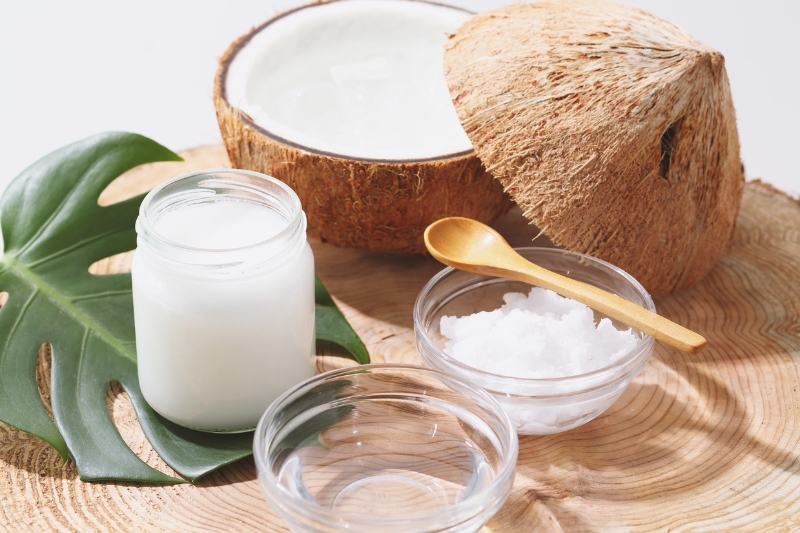
Coconut milk and coconut cream are both extracted from the white flesh of mature coconuts, but they differ significantly in concentration, richness, and culinary applications. Neither should be confused with coconut water – the clear liquid found inside young coconuts – as these products are entirely different in both composition and use.
Coconut Milk is created by grating mature coconut flesh and mixing it with hot water, then straining the mixture to extract a creamy white liquid. The consistency ranges from thin and pourable to thick and rich, depending on the coconut-to-water ratio used during extraction.
Coconut Cream represents the most concentrated form of coconut extract, containing the highest percentage of coconut solids and oils. It's either made by using less water during extraction or by allowing coconut milk to separate and skimming the thick layer that rises to the top.
The Science Behind Coconut Extraction
The richness of both coconut milk and cream comes from the high concentration of coconut oils and proteins extracted from the coconut meat. These oils are primarily composed of saturated fats, including lauric acid, which gives coconut products their distinctive flavor and creamy mouthfeel. The extraction process releases these oils along with proteins and natural sugars, creating the complex flavor profile that makes coconut milk and cream so appealing.
Types and Varieties of Coconut Milk
Full-Fat Canned Coconut Milk
This is the gold standard for most cooking applications. Premium full-fat coconut milk typically contains 17-22% fat content and provides rich, creamy texture with intense coconut flavor. Quality brands will separate when chilled, with thick cream rising to the top and thinner milk settling below.
Light/Reduced-Fat Coconut Milk
Made with more water and less coconut extract, light coconut milk contains roughly 5-7% fat. While less rich than full-fat versions, it works well in smoothies, coffee drinks, and dishes where you want coconut flavor without overwhelming richness.
Coconut Milk Beverages
These shelf-stable or refrigerated drinks are heavily diluted and often contain stabilizers, sweeteners, and other additives. They're designed for drinking rather than cooking and generally don't provide the richness needed for most culinary applications.
Fresh Coconut Milk
Made by grating fresh coconut meat and extracting the milk immediately, this represents the pinnacle of coconut milk quality. Fresh coconut milk has unmatched flavor and richness but requires significant effort to produce and must be used quickly.
Powdered/Dried Coconut Milk
Convenient for storage and travel, powdered coconut milk is reconstituted with water. While it lacks the richness of canned versions, it's useful for baking and situations where fresh or canned isn't available.
Understanding Coconut Cream Varieties
Canned Coconut Cream
The most concentrated commercially available option, canned coconut cream contains 20-25% fat content. It's incredibly thick, almost solid when chilled, and provides maximum coconut flavor and richness. Premium brands offer the purest taste with minimal additives.
Block/Solid Coconut Cream
Some brands offer coconut cream in solid block form, which must be grated or chopped before use. This format often indicates minimal processing and maximum coconut content.
Whippable Coconut Cream
Specifically formulated for whipping, these products often contain stabilizers to help achieve and maintain peaks. They're ideal for dessert applications but may not work well in savory cooking.
Cream of Coconut
Sweet and thick, cream of coconut (like Coco López) contains added sugar and is primarily used for cocktails and desserts. It's not interchangeable with regular coconut cream in most recipes.
Essential Recipes with Coconut Milk and Coconut Cream
1. Thai Green Curry - Classic Coconut Cream Foundation
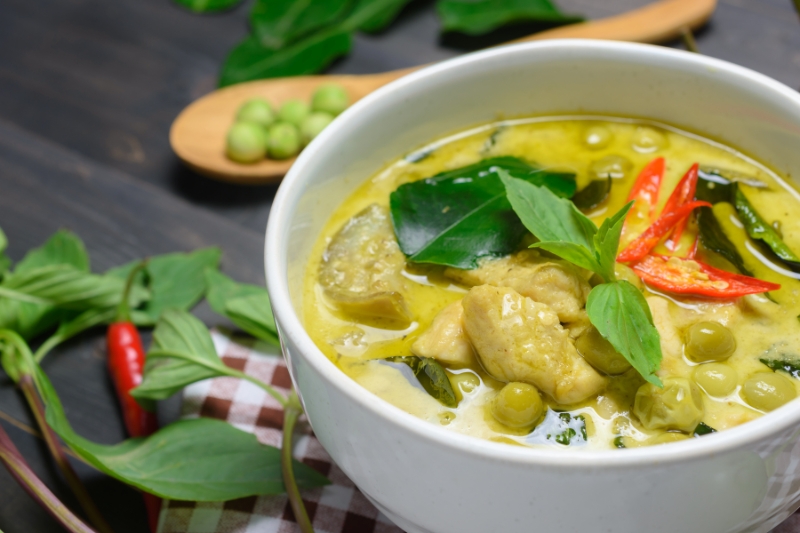
This aromatic curry showcases coconut cream's ability to tame spicy chilies while building complex flavors. Start by frying green curry paste in thick coconut cream until fragrant, then gradually add coconut milk for the perfect consistency. The cream carries the paste's aromatics while the milk provides the silky base.
2. Coconut Rice - Fragrant Side Dish Perfection
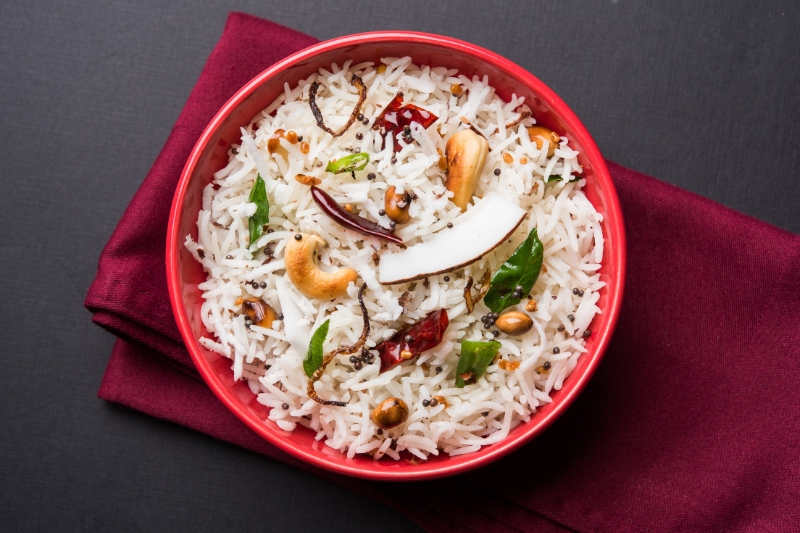
Transform plain rice by cooking it with coconut milk instead of water. The natural oils create individual, fluffy grains while infusing subtle sweetness. Add pandan leaves or a pinch of salt to enhance the tropical flavors that complement spicy mains beautifully.
3. Tom Kha Gai - Creamy Thai Chicken Soup
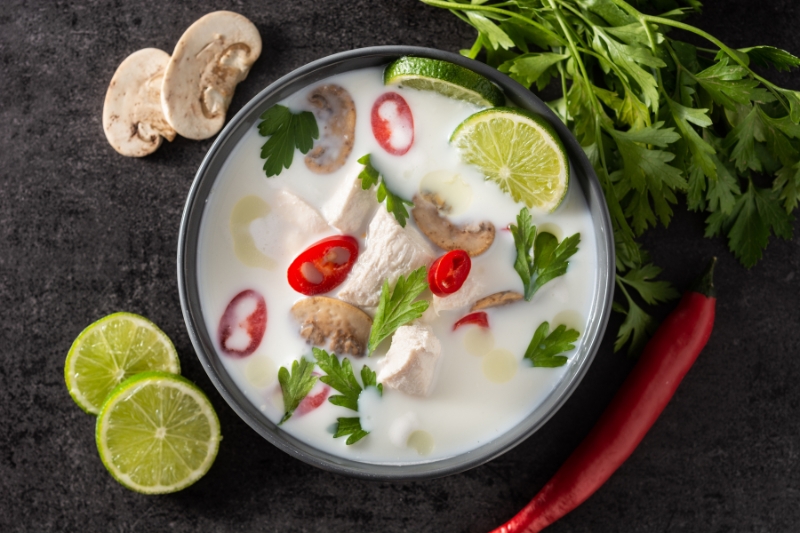
This iconic soup balances coconut milk's richness with lemongrass, galangal, and lime leaves. The coconut milk provides a creamy base that mellows the soup's aromatic intensity while carrying the delicate flavors of herbs and tender chicken.
4. Coconut Panna Cotta - Elegant Dairy-Free Dessert
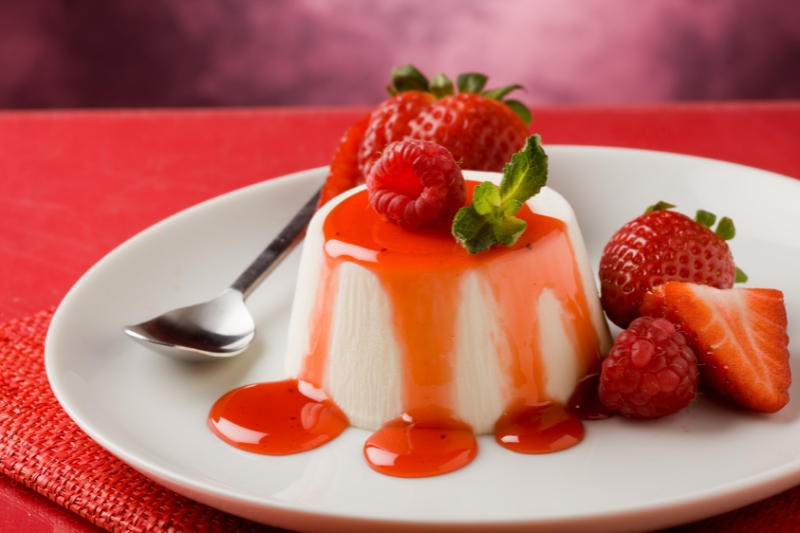
Coconut cream creates incredibly silky panna cotta without any dairy. The natural richness and subtle sweetness make this dessert feel indulgent while remaining lighter than traditional versions. Top with tropical fruits or caramel sauce for extra elegance.
5. Caribbean Curry Chicken - Island-Style Comfort

This hearty curry uses coconut milk to balance warming spices like curry powder, allspice, and scotch bonnet peppers. The coconut milk's sweetness complements the bold Caribbean spice blend while creating a rich, satisfying sauce.
6. Coconut Milk Ice Cream - Creamy Vegan Indulgence
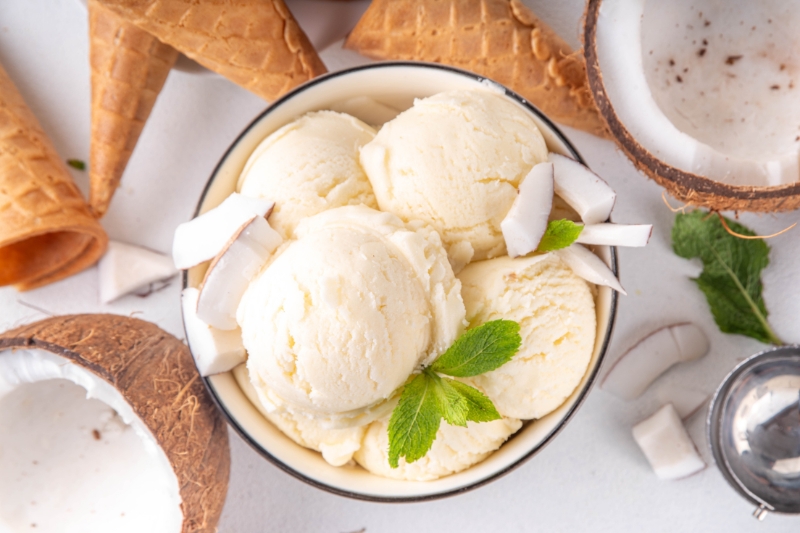
Coconut cream's high fat content makes it perfect for ice cream, creating scoops that rival dairy versions. The natural vanilla-like flavor pairs beautifully with chocolate, fruit, or spices, while the creamy texture satisfies any ice cream craving.
7. Malaysian Rendang - Slow-Cooked Coconut Perfection
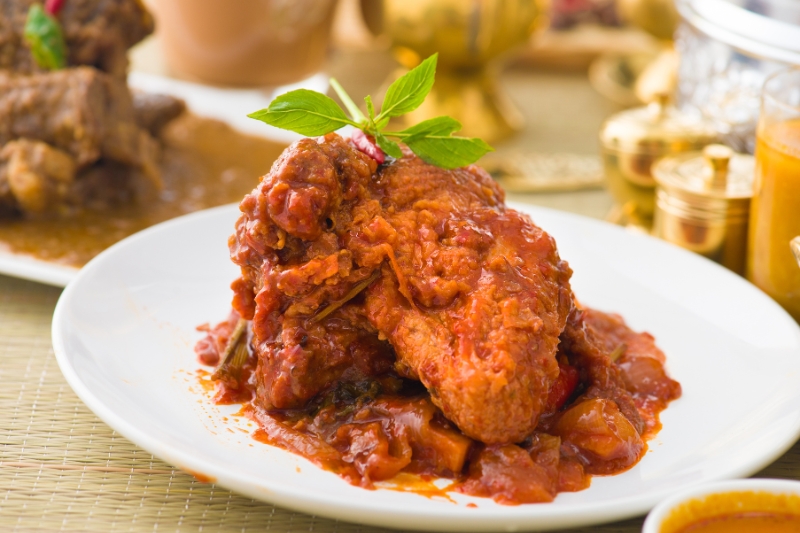
This intensely flavored dish slowly reduces coconut milk until it becomes a rich, clinging sauce. The coconut milk gradually concentrates, creating layers of flavor while the meat becomes incredibly tender. It's coconut milk cookery at its most sophisticated.
8. Coconut Cream Pie - Classic American Tropical Twist
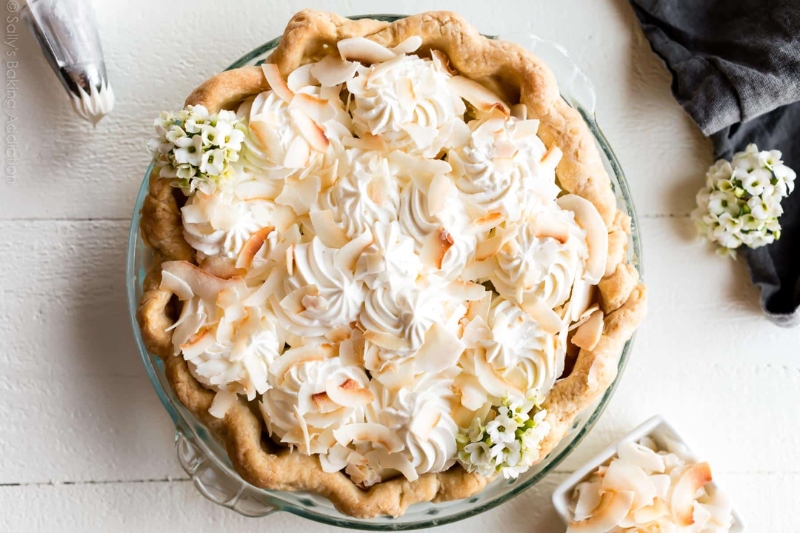
Rich coconut cream creates the luscious filling for this beloved pie. The cream's natural thickness eliminates the need for excessive thickeners while providing authentic coconut flavor that's both nostalgic and exotic.
9. Thai Coconut Soup with Shrimp - Seafood Elegance
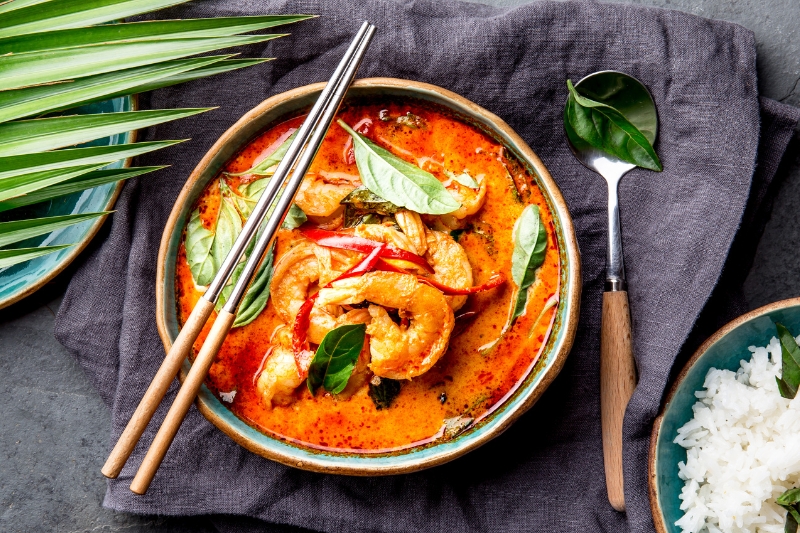
Delicate shrimp swimming in aromatic coconut milk broth creates an elegant soup perfect for entertaining. The coconut milk's richness complements the shrimp's sweetness while herbs and spices add complexity to every spoonful.
10. Coconut Sticky Rice - Thai Dessert Classic
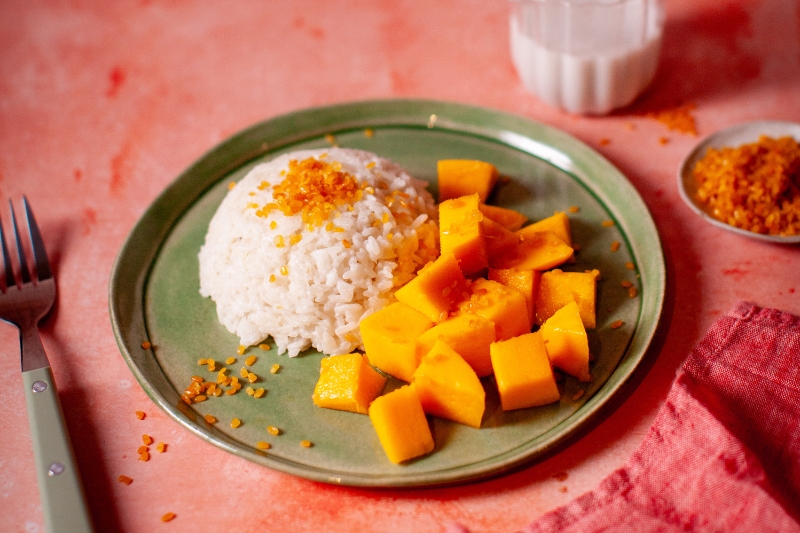
This beloved dessert showcases coconut milk's ability to transform simple ingredients into something magical. Sweet coconut milk sauce over glutinous rice creates textural contrast while mango adds fresh, tropical brightness to complete this iconic treat.
Culinary Applications and Cooking Techniques
Building Curry Bases
Start with coconut cream to fry curry pastes, allowing the oils to separate and intensify flavors before adding coconut milk to create the sauce. This technique, fundamental in Thai cooking, develops deeper, more complex curry flavors.
Soup Applications
Add coconut milk gradually to prevent curdling, especially when combining with acidic ingredients. The key is gentle heat and constant stirring to maintain the silky consistency that makes coconut-based soups so appealing.
Rice and Grain Enhancement
Replace 25-50% of cooking liquid with coconut milk for subtly flavored grains. The natural oils prevent sticking while adding richness that complements both sweet and savory applications.
Dessert Mastery
Coconut cream can replace heavy cream in most dessert applications, while coconut milk adds richness to custards and sauces without overwhelming sweetness. Both work excellently in frozen desserts due to their fat content.
Beverage Innovation
From coffee drinks to smoothies, coconut milk adds creamy richness while coconut cream creates luxurious textures in cocktails and specialty drinks. The natural sweetness often reduces the need for additional sugars.
Regional Variations and Cultural Significance
Southeast Asian Traditions
In Thai, Malaysian, and Indonesian cuisines, coconut milk is fundamental to both sweet and savory dishes. Fresh coconut milk is often extracted daily, with the first pressing (cream) used for rich curry pastes and the second pressing (milk) for thinning and cooking.
Caribbean Heritage
Caribbean cooking extensively uses coconut milk in rice dishes, stews, and desserts. The ingredient reflects the region's tropical abundance and historical connections to coconut cultivation.
South American Applications
Countries like Colombia and Brazil incorporate coconut milk into seafood stews, rice dishes, and traditional sweets, showcasing the ingredient's versatility across different culinary traditions.
Indian Coastal Cuisine
Coastal Indian regions, particularly Kerala and Goa, rely heavily on coconut milk for fish curries, vegetables, and rice preparations. The local coconut varieties contribute distinct flavors to regional specialties.
Nutritional Profile and Health Considerations
Coconut milk and cream are rich in saturated fats, particularly medium-chain triglycerides (MCTs) like lauric acid, which may offer certain health benefits. They're naturally dairy-free, making them excellent alternatives for those with lactose intolerance or following vegan diets.
Nutritional Benefits:
-
Rich in healthy saturated fats that may support heart health
-
Contains lauric acid, which has antimicrobial properties
-
Good source of manganese, copper, and iron
-
Provides electrolytes including potassium and magnesium
-
Naturally free from dairy, gluten, and nuts (despite the name)
Considerations:
-
High in calories and saturated fat
-
Should be consumed in moderation as part of a balanced diet
-
Quality varies significantly between brands and processing methods
Shopping Guide: What to Look For
Reading Labels
Premium coconut milk and cream should contain minimal ingredients – ideally just coconut extract and water. Avoid products with excessive stabilizers, preservatives, or added sugars unless specifically needed for your application.
Can Quality Indicators
Look for cans without dents or rust, and check expiration dates. Some separation in canned coconut milk is normal and often indicates higher quality and fat content.
Brand Considerations
Established brands from coconut-producing regions (Thailand, Philippines, Sri Lanka) often offer superior quality. Organic options may provide better flavor and fewer additives.
Fresh vs. Processed
While fresh coconut milk offers the best flavor, quality canned products are more practical for most home cooks and provide consistent results.
Storage and Handling Tips
Unopened Products
Canned coconut milk and cream can be stored at room temperature for extended periods. Check expiration dates and rotate stock regularly.
After Opening
Once opened, coconut milk and cream should be refrigerated and used within 3-4 days. The products may thicken when chilled, which is normal.
Freezing Options
Both coconut milk and cream can be frozen, though texture may change upon thawing. Freeze in ice cube trays for convenient portions, or freeze larger amounts in containers for later use in cooked dishes.
Temperature Sensitivity
Coconut milk can separate when exposed to high heat or acidic ingredients. Add gradually and avoid boiling to maintain smooth consistency.
Resolving Common Issues
Separation Problems
If coconut milk separates during cooking, reduce heat and whisk gently. Adding a small amount of cornstarch or flour can help stabilize the mixture.
Too Thick
Thin overly thick coconut cream or milk with warm water, starting with small amounts until desired consistency is reached.
Lack of Flavour
If coconut milk tastes bland, it may be over-diluted or low quality. Try different brands or supplement with a small amount of coconut cream for enhanced flavor.
Grittiness
Gritty texture usually indicates old or poor-quality products. Fresh, high-quality coconut milk should be smooth and creamy.
Substitutions and Alternatives
Coconut Milk Substitutes
Heavy cream mixed with coconut extract can approximate coconut milk's richness, while cashew cream offers similar texture with different flavor. For lighter applications, diluted coconut cream works well.
Coconut Cream Alternatives
Heavy whipping cream provides similar richness for desserts, while thick cashew cream offers a vegan alternative with comparable consistency.
Making Your Own
Fresh coconuts can be processed into milk and cream at home using a food processor and cheesecloth. While labor-intensive, homemade versions offer unmatched flavor and purity.
Cooking Equipment Essentials
A good-quality whisk helps prevent separation when adding coconut milk to hot dishes. Fine-mesh strainers are useful for removing any lumps or separation. For homemade coconut milk, a food processor and cheesecloth or nut milk bag are essential.
Modern Applications and Fusion Cuisine
Contemporary chefs have embraced coconut milk and cream in innovative ways, incorporating them into Western desserts, plant-based alternatives to dairy products, and fusion dishes that blend tropical flavors with international techniques. From coconut milk lattes to vegan ice creams, these ingredients continue to find new applications in modern cooking.
Environmental and Ethical Considerations
Choose products from companies that support sustainable coconut farming and fair trade practices. Some regions have faced criticism for labor practices in coconut production, making ethical sourcing increasingly important.
Conclusion
Coconut milk and coconut cream represent far more than simple ingredients – they're gateways to exploring the rich culinary traditions of tropical regions while offering practical solutions for modern dietary needs. Their versatility spans from comforting curries that warm the soul to elegant desserts that conclude memorable meals.
Understanding the differences between coconut milk and cream, recognizing quality indicators, and mastering basic techniques will unlock countless culinary possibilities. Whether you're crafting an authentic Thai curry, experimenting with dairy-free desserts, or simply seeking to add tropical richness to everyday dishes, these remarkable ingredients offer both tradition and innovation in every can.
The journey to mastering coconut milk and cream begins with selecting quality products and understanding their unique properties, but it flourishes through experimentation and appreciation for the cultural heritage they represent. As you explore these ingredients, you'll discover that they offer not just flavor and richness, but a connection to the abundant tropical regions where coconuts have sustained communities for generations.
From the simplest rice dish enhanced with coconut milk to the most complex curry balanced with coconut cream, these ingredients have the power to transform ordinary cooking into extraordinary culinary experiences that transport both cook and diner to sun-drenched tropical shores.
Validate your login
Login
Create New Account