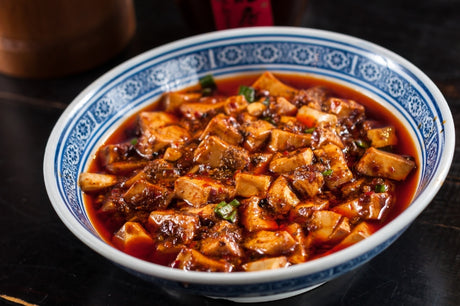
If you’re a fan of bold, spicy and flavourful food, Korean street food is a great place to start. From the bustling streets of Seoul to your home kitchen, these three recipes capture some of the best-known flavours of Korea’s street food scene.
With the right ingredients and a little preparation, you can recreate these popular Korean dishes at home. Ready to get cooking? Let’s dive in.
1. Tteokbokki (Spicy Rice Cakes)

Tteokbokki is one of Korea’s most popular street foods. It features chewy rice cakes simmered in a rich, spicy and savoury sauce. This comforting dish is perfect for a quick meal or a spicy snack.
Servings: 2-3
Cooking Time: 20 minutes
Ingredients:
-
500g rice cakes (tteok)
-
200g fish cakes, sliced
-
40g gochujang (Korean chilli paste)
-
10g gochugaru (Korean chilli flakes, optional for extra spice)
-
30ml soy sauce
-
30g sugar
-
3 cloves garlic, minced
-
2 spring onions, chopped
-
500ml water or dashi (Korean anchovy stock)
-
1 hard-boiled egg (optional)
Instructions:
-
Prepare the Rice Cakes: If using frozen or hardened rice cakes, soak them in warm water for 10-15 minutes until softened.
-
Make the Sauce: In a large pot, combine the water or dashi, gochujang, gochugaru, soy sauce, sugar and minced garlic. Stir well and bring to a boil.
-
Cook the Rice Cakes: Add the softened rice cakes and fish cakes. Cook for 8-10 minutes, stirring occasionally to prevent sticking.
-
Add the Extras: Add a hard-boiled egg if desired and garnish with chopped spring onions.
-
Serve: Once the sauce has thickened and coats the rice cakes, serve hot.
2. Kimbap (Korean Rice Rolls)

Kimbap is a popular Korean dish made with seasoned rice and a variety of fillings wrapped in sheets of nori seaweed. It makes a convenient light meal, lunch or picnic snack.
Servings: 4
Cooking Time: 30 minutes
Ingredients:
-
400g cooked short-grain rice
-
5 sheets nori seaweed
-
1 carrot, julienned
-
1 cucumber, julienned
-
4 slices pickled radish
-
100g spinach, blanched
-
4 slices crab sticks or beef bulgogi
-
2 tbsp sesame oil
-
1 tbsp soy sauce
-
Bamboo mat for rolling
Instructions:
-
Prepare the Rice: Mix the cooked rice with sesame oil and a pinch of salt.
-
Prepare the Nori: Place a sheet of nori on a bamboo rolling mat. Spread a thin, even layer of rice over the nori, leaving about 2cm at the top.
-
Add the Fillings: Place the carrot, cucumber, pickled radish, spinach and crab sticks or beef in the centre of the rice.
-
Roll the Kimbap: Use the bamboo mat to carefully roll the kimbap tightly from the bottom, pressing firmly as you go.
-
Cut and Serve: Slice the roll into bite-sized pieces and serve with soy sauce.
3. Dakgangjeong (Sweet Crispy Chicken)

Dakgangjeong is a popular Korean fried chicken dish featuring crispy chicken coated in a sweet, sticky and savoury sauce. Crunchy on the outside and tender inside, it makes a great snack, appetiser or main course.
Servings: 4
Cooking Time: 35 minutes
Ingredients:
-
500g boneless chicken thighs, cut into bite-sized pieces
-
100g Korean fried chicken flour mix or cornflour
-
30g gochujang (Korean chilli paste)
-
30ml soy sauce
-
2 tbsp honey or corn syrup
-
1 tbsp rice vinegar
-
3 cloves garlic, minced
-
1 tbsp sesame seeds
-
Oil for frying
Instructions:
-
Coat the Chicken: Toss the chicken pieces in the Korean fried chicken flour mix until evenly coated.
-
Fry the Chicken: Deep-fry the chicken in hot oil until golden brown and crispy. Drain on kitchen paper.
-
Make the Sauce: Combine the gochujang, soy sauce, honey, rice vinegar and minced garlic in a pan. Cook until the sauce thickens slightly.
-
Coat the Chicken: Add the fried chicken to the pan and toss until each piece is evenly coated with the sauce.
-
Serve: Sprinkle with sesame seeds and serve hot.
Tips for Making Korean Street Food at Home
Making Korean food at home is easier than you might think. Here are a few tips to help you get the best results:
-
Use Fresh Ingredients: Fresh vegetables, garlic and spring onions can make a noticeable difference to the flavour of your dishes.
-
Don’t Skip the Gochujang: Gochujang is a key ingredient in many Korean dishes and provides a distinctive combination of heat, sweetness and savoury flavour.
-
Prepare Everything Before Cooking: Korean recipes often involve several ingredients and preparation steps. Chop, measure and prepare everything before you start cooking.
-
Adjust the Spice Level: If you prefer milder food, reduce the amount of gochujang or gochugaru. You can always add more later.
Frequently Asked Questions
Q: Where can I find Korean ingredients?
A: Korean ingredients such as gochujang, gochugaru, rice cakes, nori and Korean cooking sauces are available from many Asian grocery shops and online Asian food retailers.
Q: Can I make these recipes vegetarian?
A: Yes. You can replace meat with tofu, mushrooms or additional vegetables. For vegetarian versions of Tteokbokki, use a vegetarian stock and check that the sauces and other ingredients are suitable.
Q: How should I store leftovers?
A: Store leftovers in an airtight container in the refrigerator. When reheating Tteokbokki, add a small splash of water if the sauce has become too thick.
Wrapping Up
These three Korean street food recipes are easy ways to enjoy some of Korea’s most popular dishes at home. Try the spicy and chewy Tteokbokki, fresh and filling Kimbap or crispy Dakgangjeong for a Korean-inspired meal or snack.
Don’t forget to share your Korean culinary creations with us on social media using #AsiaMarketRecipes. We’d love to see what you make!