
Tofu, often misunderstood and underestimated, stands as one of the most versatile and nutritious ingredients in the culinary world. This ancient protein source has sustained Asian cultures for over two thousand years, and today it's experiencing a renaissance as home cooks discover its remarkable ability to transform into countless delicious forms. From silky desserts to crispy stir-fries, tofu's chameleon-like nature makes it an invaluable ingredient for both vegetarian cooking and omnivorous meals seeking lighter, healthier proteins.
Understanding Tofu: The Fundamentals
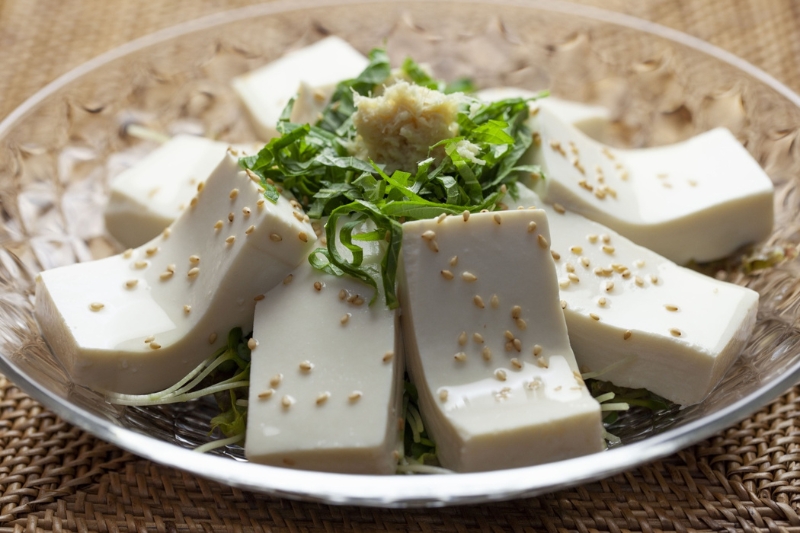
Tofu, also known as bean curd, is made by coagulating soy milk and pressing the resulting curds into blocks. This simple process, similar to cheese-making, creates a protein-rich food with a neutral flavor that readily absorbs the tastes of whatever it's cooked with. The magic of tofu lies not in its own flavor, but in its incredible ability to take on the characteristics of marinades, sauces, and cooking methods.
The production process involves soaking, grinding, and boiling soybeans to create soy milk, then adding a coagulant (traditionally nigari from seawater, or gypsum) to form curds. These curds are then pressed to various densities, creating the different textures of tofu we find in stores today.
The Complete Spectrum of Tofu Types
Silken Tofu (Soft/Smooth Tofu)
The most delicate variety, silken tofu has a custard-like texture that's perfect for desserts, smoothies, and soups. It contains the highest water content and breaks easily, making it unsuitable for frying but ideal for blending into creamy sauces or eating raw with simple seasonings.
Best Uses: Desserts, smoothies, salad dressings, miso soup, mapo tofu
Texture: Smooth, custard-like, very soft
Water Content: Highest
Soft Tofu
Slightly firmer than silken but still quite delicate, soft tofu holds its shape better while maintaining a tender, creamy interior. It's excellent for soups where you want distinct pieces that won't completely fall apart during cooking.
Best Uses: Soups, stews, gentle braising, cold preparations
Texture: Tender, creamy, holds shape when handled gently
Water Content: High
Medium/Regular Tofu
The middle ground of tofu textures, medium tofu offers more structure while remaining tender. It can handle light frying and is versatile enough for both hot and cold applications.
Best Uses: Pan-frying, braising, cold salads, marinading
Texture: Moderately firm, tender interior
Water Content: Moderate
Firm Tofu
This is the most commonly used variety for general cooking. Firm tofu holds its shape well during cooking, absorbs flavors effectively, and can withstand various cooking methods without falling apart.
Best Uses: Stir-frying, grilling, baking, scrambles, marinading
Texture: Solid structure, slight give when pressed
Water Content: Lower, more concentrated
Extra-Firm Tofu
The most dense and structured variety, extra-firm tofu has the lowest water content and highest protein concentration. It's ideal for applications requiring the tofu to maintain its shape under aggressive cooking methods.
Best Uses: Deep-frying, grilling, long braises, meat substitutes
Texture: Dense, chewy, meat-like when cooked
Water Content: Lowest
Super-Firm/High-Protein Tofu
Some specialty brands offer ultra-dense tofu with even higher protein content. These varieties often have a slightly different texture and can be sliced very thin without breaking.
Best Uses: Sandwich slices, "steaks," bacon alternatives
Texture: Very dense, sliceable, substantial bite
Water Content: Minimal
Specialised Tofu Varieties
Pressed Tofu
Already pressed to remove excess water, this variety saves preparation time and often comes pre-seasoned. It's particularly popular in Asian markets and ready for immediate cooking.
Flavoured/Seasoned Tofu
Pre-marinated or seasoned varieties offer convenience and introduce interesting flavor profiles. Common varieties include teriyaki, herb-crusted, and smoked versions.
Sprouted Tofu
Made from sprouted soybeans, this variety offers slightly different nutritional profiles and is often easier to digest for some people.
Organic and Non-GMO Options
Quality matters in tofu production, with organic and non-GMO varieties often offering superior flavor and texture.
Essential Recipes with Tofu
1. Mapo Tofu - Sichuan Comfort Classic
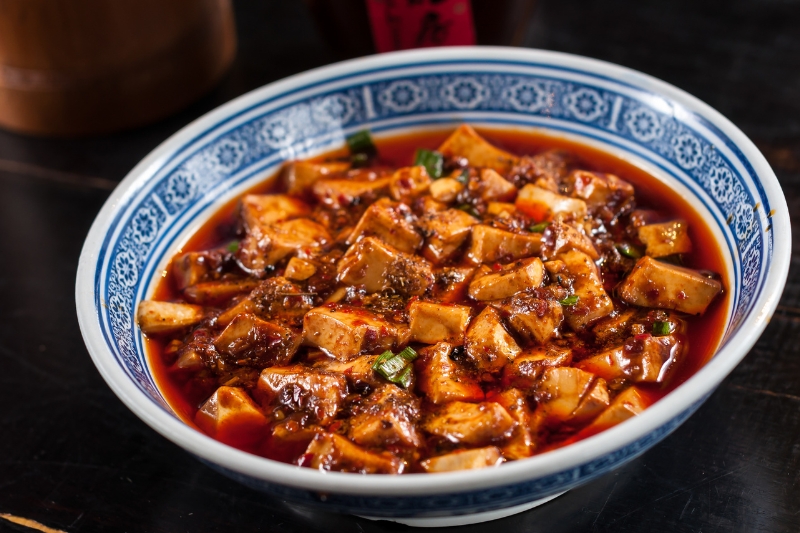
This iconic Sichuan dish showcases silken tofu's ability to absorb bold, spicy flavors while maintaining its delicate texture. The soft tofu contrasts beautifully with the intense, numbing heat of doubanjiang and Sichuan peppercorns, creating one of China's most beloved comfort foods.
2. Crispy Salt and Pepper Tofu - Restaurant-Style Appetizer
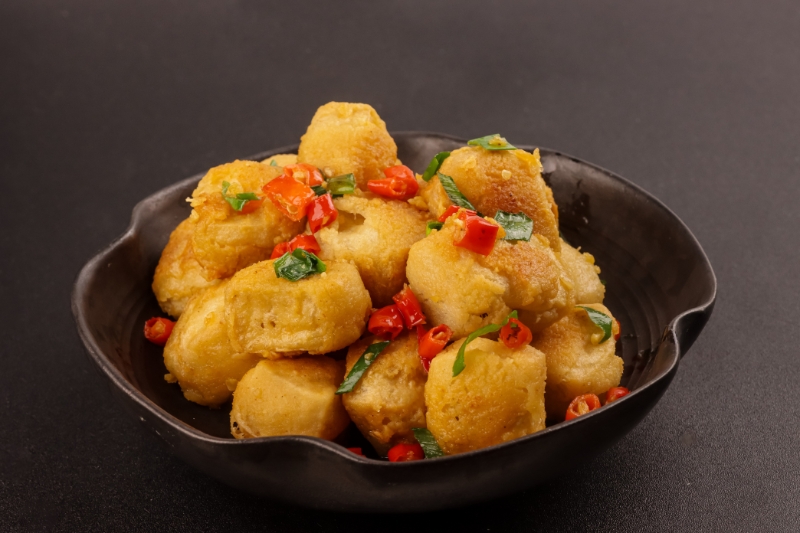
Extra-firm tofu is coated and deep-fried until golden, then tossed with aromatic salt, pepper, and chilies. This preparation transforms tofu's texture completely, creating a crispy exterior that gives way to a tender, flavorful interior that rivals any restaurant appetizer.
3. Agedashi Tofu - Japanese Elegant Simplicity
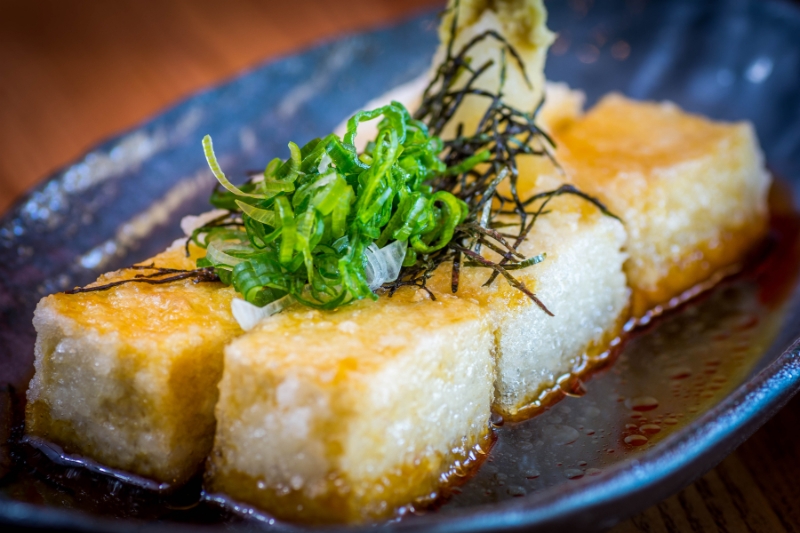
Lightly dusted with cornstarch and gently fried, this Japanese preparation serves tofu in a delicate dashi broth. The contrast between the crispy exterior and silky interior, combined with the umami-rich broth, showcases tofu's ability to shine in minimalist preparations.
4. Tofu Scramble - Plant-Based Breakfast Revolution
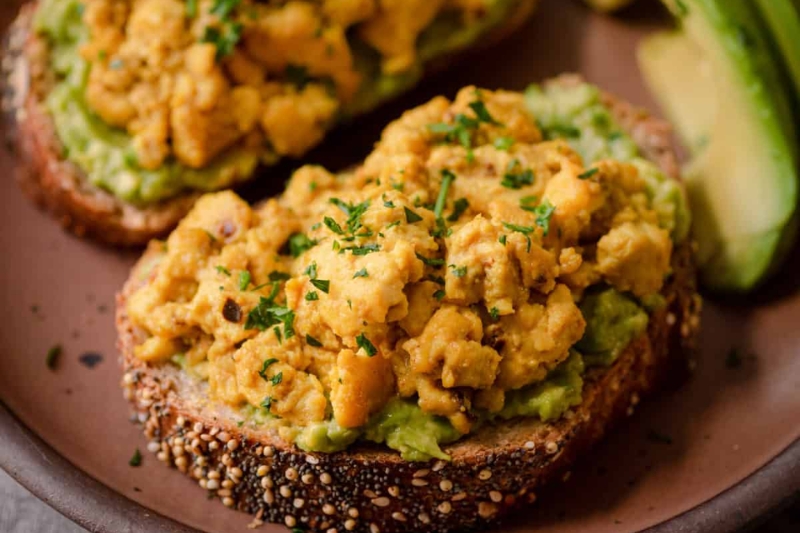
Firm tofu crumbled and seasoned with turmeric, nutritional yeast, and spices creates a satisfying egg alternative. This preparation demonstrates tofu's versatility beyond Asian cuisine, providing a protein-rich breakfast that satisfies vegans and omnivores alike.
5. Korean Dubu Jjigae - Spicy Tofu Stew
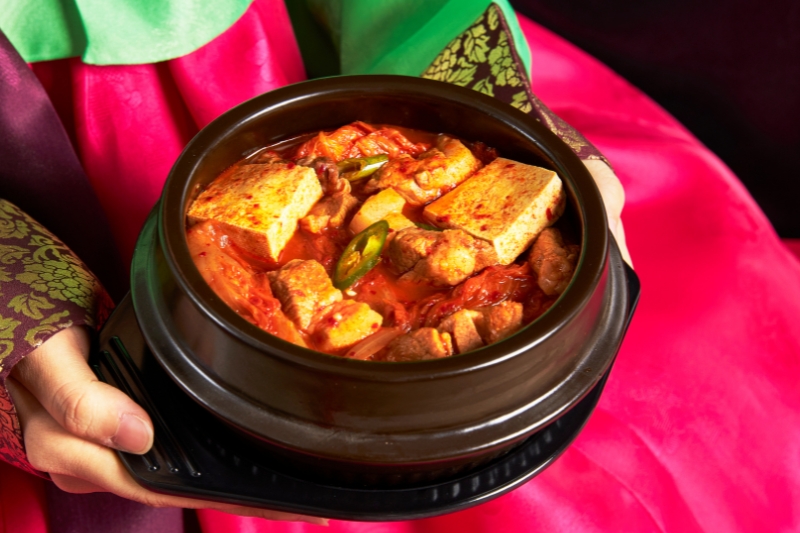
This warming Korean stew combines soft tofu with kimchi, vegetables, and gochujang in a fiery, satisfying broth. The tofu absorbs the complex, fermented flavors while providing protein and substance to this comfort food favorite.
6. Teriyaki Grilled Tofu Steaks - Fusion Elegance
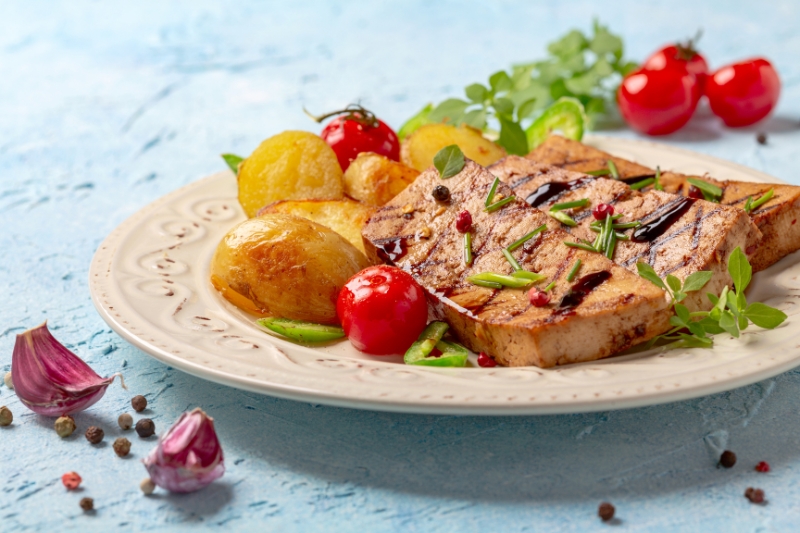
Extra-firm tofu is marinated, then grilled to create satisfying "steaks" with beautiful char marks. The firm texture and absorbed teriyaki flavors make this dish appealing to both vegetarians and meat-eaters seeking lighter options.
7. Silken Tofu Chocolate Mousse - Healthy Indulgence
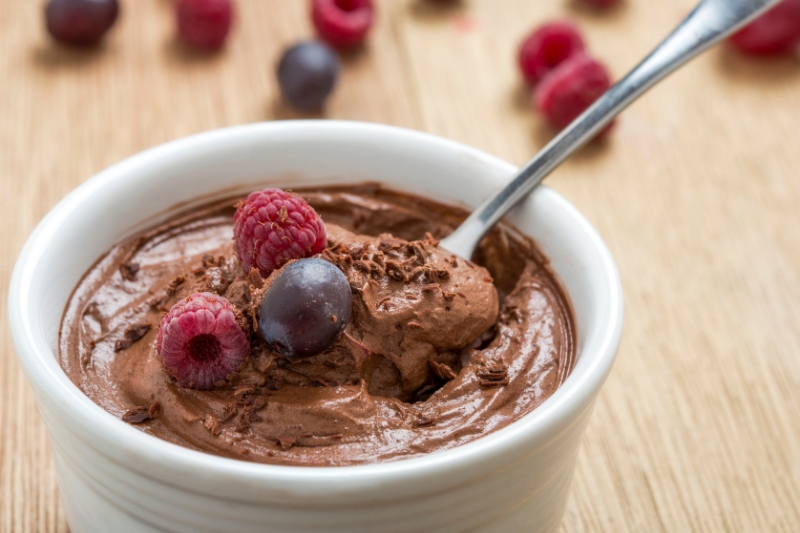
Silken tofu blends into incredibly smooth, rich chocolate mousse that's both dairy-free and protein-packed. This preparation showcases tofu's dessert potential, creating indulgent treats without traditional heavy creams or eggs.
8. Century Egg with Silken Tofu - Vegetable Harmony
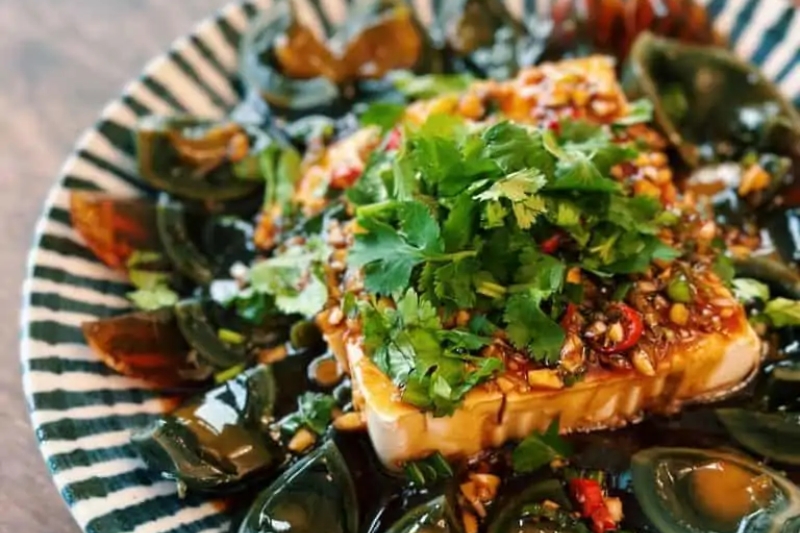
Silken tofu and creamy century egg come together in a savoury sauce, creating a smooth and satisfying dish. The tofu’s softness perfectly balances the rich, umami flavour of the century egg.
9. Thai Tofu Satay - Street Food Favorite
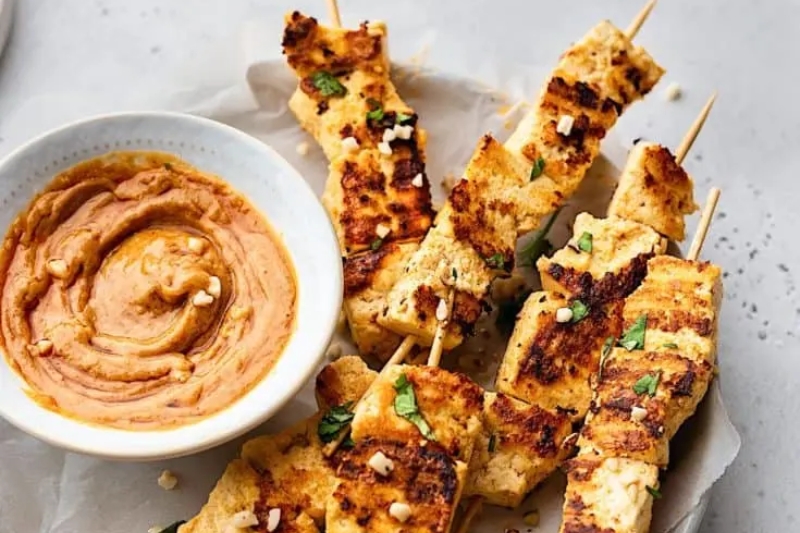
Firm tofu is marinated in coconut milk and spices, then grilled on skewers and served with peanut sauce. This preparation shows tofu's ability to absorb complex marinades while developing appealing char and texture through grilling.
10. Almond Tofu – Light & Refreshing
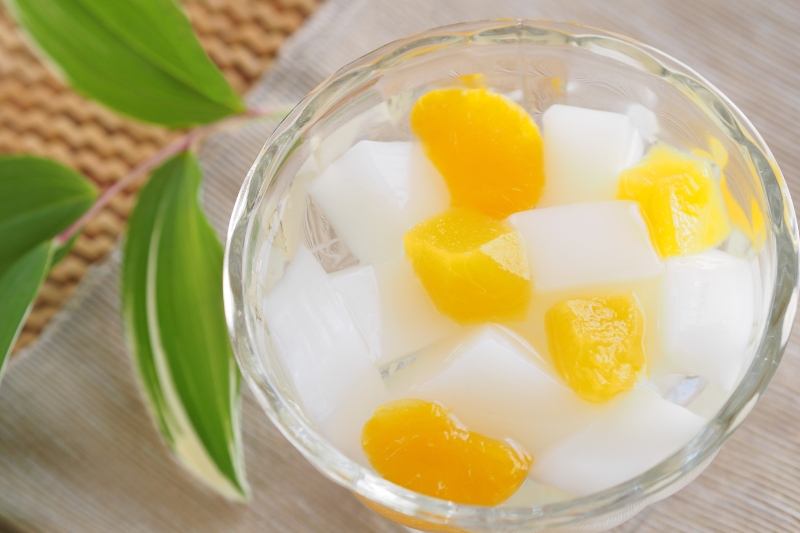
Smooth, silky tofu infused with a delicate almond flavour creates a refreshing dessert that’s light on the palate and wonderfully satisfying. It’s the perfect sweet ending that’s both gentle and delightful.
Essential Preparation Techniques
Pressing Tofu
Removing excess water is crucial for most cooking methods. Place tofu between clean kitchen towels or paper towels, weight with heavy objects, and press for 15-30 minutes. This creates better texture and allows marinades to penetrate more effectively.
Marinating Strategies
Tofu's neutral flavor makes it an ideal canvas for marinades. Cut into desired shapes before marinating for maximum surface area exposure. Acid-based marinades (citrus, vinegar) help break down the protein structure for better flavor absorption.
Freezing for Texture
Freezing and thawing tofu creates a spongier, more porous texture that's excellent for absorbing flavors. The ice crystals break down the cellular structure, resulting in a chewier, more meat-like consistency.
Coating Techniques
Dusting tofu with cornstarch, flour, or breadcrumbs before cooking creates appealing crispy exteriors. The coating also helps prevent sticking and provides textural contrast.
Heat Control
Different tofu types require different heat levels. Silken tofu needs gentle heat to prevent breaking, while extra-firm can withstand high-heat cooking methods like deep-frying and grilling.
Nutritional Powerhouse Benefits
Tofu is nutritionally impressive, providing complete protein with all essential amino acids. It's rich in isoflavones, which may offer various health benefits, and contains significant amounts of calcium, iron, and magnesium. As a plant-based protein, it's naturally cholesterol-free and lower in saturated fat than most animal proteins.
Key Nutritional Benefits:
-
Complete protein source (8-15g per serving depending on firmness)
-
Rich in isoflavones and phytoestrogens
-
Good source of calcium, especially when made with calcium sulfate
-
Contains iron, magnesium, and phosphorus
-
Low in calories and saturated fat
-
Naturally gluten-free and cholesterol-free
Shopping and Storage Wisdom
Selecting Quality Tofu
Choose tofu with clear expiration dates and avoid packages with cloudy water or off odors. The tofu should look white or slightly off-white, never yellowish or slimy. Fresh tofu should have a clean, slightly sweet smell.
Storage Guidelines
Unopened tofu can be stored in the refrigerator until its expiration date. Once opened, store in fresh water in the refrigerator, changing the water daily. Properly stored opened tofu lasts 3-5 days.
Freezing Options
Most tofu types can be frozen for up to 3 months. Freezing changes the texture significantly, making it spongier and more absorbent. Thaw completely before use and press out excess water.
Resolving Common Issues
Mushy Results
Usually caused by using the wrong firmness level or not pressing adequately. Match tofu type to cooking method and always press when recipes indicate.
Bland Flavour
Tofu requires seasoning and marinades to shine. Don't expect flavor from the tofu itself – it's a canvas for other tastes.
Sticking Problems
Ensure pans are properly heated and oiled. Coating tofu with cornstarch helps prevent sticking while creating appealing crusts.
Breaking Apart
Handle gently, especially softer varieties. Use appropriate utensils and avoid aggressive stirring with delicate types.
Conclusion
Mastering tofu opens doors to a world of culinary possibilities that span cultures, cooking methods, and dietary preferences. This remarkable ingredient rewards those who understand its nature – not as a meat substitute trying to be something it's not, but as a unique protein with its own valuable characteristics.
The key to tofu success lies in understanding that it's not about making tofu taste like something else, but about showcasing what tofu does best: absorbing flavors, providing satisfying protein, and creating interesting textures that enhance meals. Whether you're exploring traditional Asian preparations or modern fusion creations, tofu offers endless opportunities for delicious, nutritious cooking.
From the silkiest chocolate mousse to the crispiest salt and pepper preparation, tofu proves that plant-based ingredients can be every bit as satisfying and versatile as their animal counterparts. The journey to tofu mastery begins with quality ingredients and proper technique, but flourishes through experimentation and an appreciation for this ancient food's remarkable adaptability.
As global cuisine continues to evolve and plant-based eating becomes increasingly mainstream, tofu stands ready to play a starring role in kitchens worldwide. Whether you're a longtime vegetarian or simply looking to incorporate more plant proteins into your diet, mastering tofu will expand your culinary repertoire while providing countless opportunities for healthy, delicious meals.
Validate your login
登录账户
Create New Account